

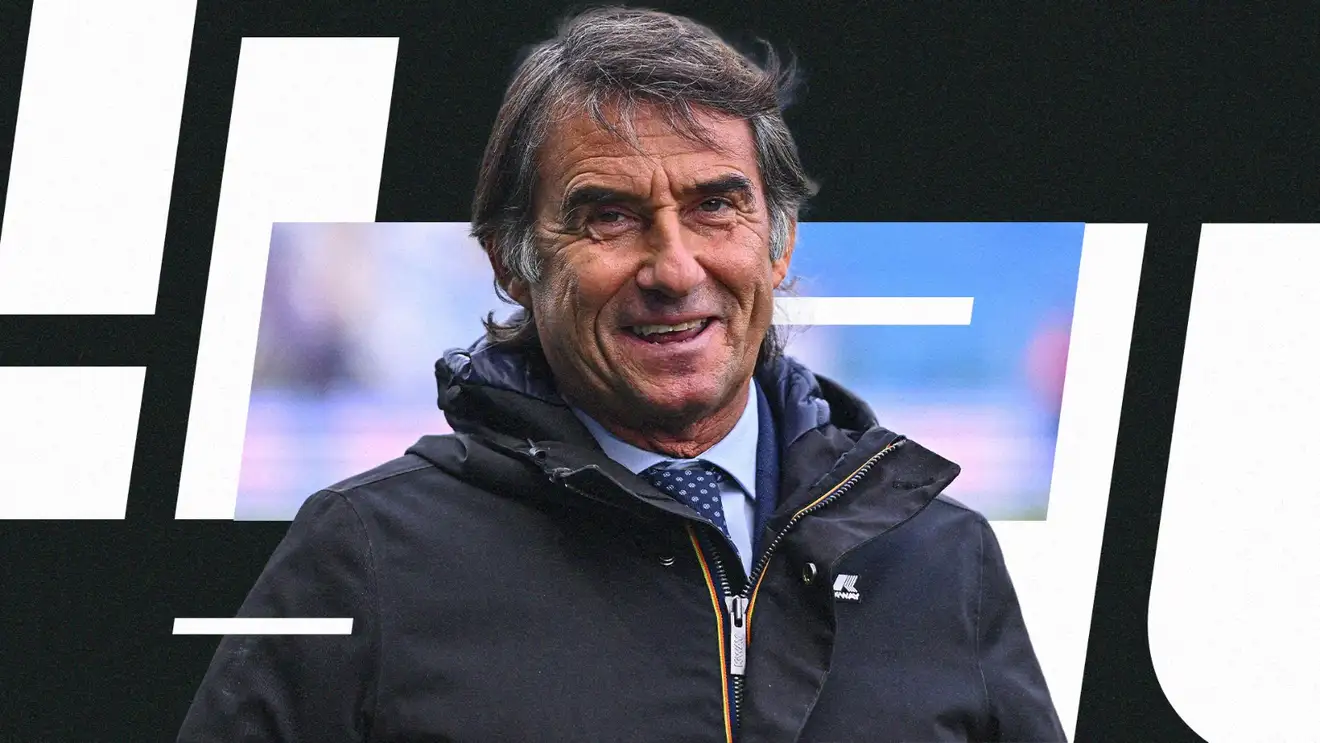
The first financial year-end of Giovanni Carnevali’s tenure as Juventus chief executive has arrived — and the picture it presents is one of deliberate restraint, controlled decision-making, and a clear refusal to succumb to the pressure of forced selling.
“We Have No Need to Sell Right Now”
Speaking earlier this week, Carnevali made his position plain. “We have no need to make sales at this moment,” he stated — a comment made specifically in the context of Fabio Miretti, but intended to convey a broader message about the club’s overall approach. It was a striking declaration from a man operating under a UEFA Settlement Agreement and under significant financial scrutiny. But it was also, as the facts of 30 June have demonstrated, entirely accurate.
What the Books Show at the Close of Business on 30 June
When the financial year closed on 30 June, the sole outgoing transfer registered from the senior squad was the sale of goalkeeper Giovanni Daffara to Parma for €5 million — a clean, straightforward deal with no buy-back clause, involving a young player with no meaningful role in the first-team plans. Fabio Miretti did not depart. No other first-team player was sold before the deadline. Carnevali was as good as his word.
On the incoming side, Juventus completed the signing of Jeff Ekhator from Genoa for a total of €18 million including bonuses — structured as €16 million plus €2 million in add-ons — with the additional transfer of young goalkeeper David Puczka going in the opposite direction, valued at €5 million. It is a net spend that reflects careful, considered business: one exciting young attacking addition, one modest but sensible sale, and the rest of the squad’s future determined at a pace and on terms of Juventus’s own choosing.
Why This Matters
The significance of Carnevali’s approach in these first weeks should not be underestimated. Previous administrations have been accused of panic-selling, of offloading players at below-market value to meet artificial deadlines, and of losing financial leverage by appearing desperate. The message sent by this year-end is the opposite: Juventus sell when they choose to, at prices they consider appropriate, and not a moment before.
The UEFA Settlement Agreement creates constraints — but not the kind that force fire sales of valued assets in a single window. The capital gains target of €100 million by June 2027 remains the objective, and Carnevali has signalled clearly that he intends to meet it on his own terms and timeline. The summer window is barely open. The real business, as he has consistently emphasised, is only just beginning.