
Seven days have passed since Adžić’s devastating 94th-minute strike at the Mapei Stadium. It feels much longer. That is precisely the signal a manager looks for — evidence that a squad has genuinely processed its lowest moment and moved on, rather than merely performing recovery for the cameras. And Spalletti himself acknowledges the wound was real. “We can make steps forward in build-up play and many times we could have hurt Atalanta because spaces and situations presented themselves. That is fine — because we come from a period in which certain things happened, like the Sassuolo defeat, which created difficulties and some doubts.”
Neto: First Choice, Ready to Run Back to Turin
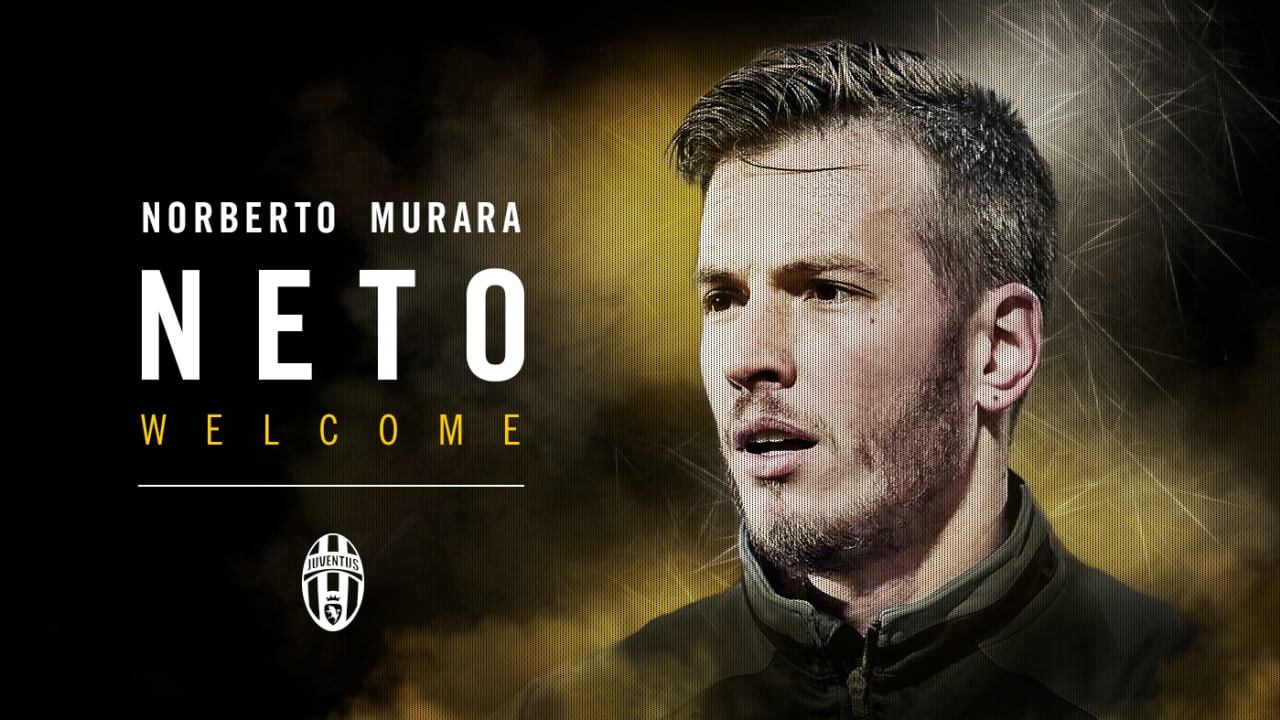
The Grabara crisis demands a fast response from the market — and the name that has emerged most clearly as the preferred solution is the one with the most personal Juventus history. Neto, the 37-year-old Brazilian goalkeeper who wore the black and white between 2015 and 2017 in 22 appearances, has had his agents communicate total availability to the club. He would return to Turin immediately. From Juventus’s side, the interest is reciprocal and concrete — he sits comfortably ahead of every other name on the current list.
The alternatives — Sergio Rico, recently returned from a handful of appearances at Al-Gharafa in Qatar; Alfred Gomis, whose last experience was at Palermo; and Adam Stejskal, who was first choice for Tirol in Austria last season — are presented by Tuttosport’s Paolo Pirisi as considerably more distant candidatures rather than genuine competition for Neto’s pole position.
Spalletti confirmed in the press conference that a market intervention is being actively considered: “The directors will evaluate all the options — fishing among the free agents if necessary.”
“How Do You Say ‘Zeppetta’ in English?” — Kolo Muani and a Moment That Says Everything
The warmth of the dressing room atmosphere was captured in the anecdote Spalletti offered when reflecting on Kolo Muani’s performance against Atalanta — and specifically the moment Carnesecchi denied him what would have been a goal of extraordinary simplicity, a delicate toe-poke from close range that the Atalanta goalkeeper somehow got down to stop.
“How do you say ‘zeppetta’ in English?” the manager recalls joking with the Frenchman afterwards — the word’s Italian untranslatability requiring explanation as much as translation. “I told him he should have used the zeppetta in that situation and he asked me what it meant. He deserved the goal — but he was very happy and we joked about it. I am convinced Kolo Muani will have the opportunity to show what a bomber he is. He wasn’t lucky tonight — but he was magnificent in not coming off the cross when he saved the result.”
The Group and the Injured — a Manager’s Most Human Passage
The final passage of Spalletti’s post-match evening was his most emotionally resonant. “On Saturday we decided at the last moment not to train — we didn’t want them to even walk down the stairs given what keeps happening to us. I am sorry for Grabara, for the quality of the person. Our thoughts go to him, to Locatelli, Thuram, and Yıldız. They are not available — but they are at home supporting us. Everything becomes beautiful when you see this atmosphere.” And then, in four words that encapsulate everything about the nature of professional sport and the human connections within it: “Non è poco.” It is not a small thing.