

Antonio Cabrini is one of the specific voices in this debate whose authority derives from having been on the inside of a Juventus that also struggled before it won. He does not speak as a pundit reaching for controversy. He speaks as someone who played under the weight of the black-and-white shirt long enough to understand what it does to players who are not yet ready for it, and what it requires from those who are.
“The Rennes and Lecce Matches Left Me With Encouraging Answers”
The opening framing places the Lazio disaster in the past and the recovery in the foreground: “I believe that Juventus in the last matches — particularly after Lazio — has found a little bit of serenity again. That is not nothing, in a moment when not everything is going the right way. The Rennes and Lecce matches left me with encouraging answers — I interpret them that way. Against Genoa I expect a better performance, but above all three points which would be worth their weight in gold for Juventus.”
On the Injury Crisis — “Imagine Inter Without Lautaro From the Start of the Season”
The most clarifying comparative in the entire debate about Juventus’s struggles: “All great clubs have injury problems — think of Milan, where even for Amorim it’s not easy to settle and understand the context with so many physical problems. Juventus is living through a similar situation. Clearly the player who is being missed most is Kenan Yıldız. Imagine an Inter without Lautaro from the start of the season. A Roma without Malen. A Como without Nico Paz.” The comparative is designed to reset the scale of the problem. The absence of a €100m player who is the creative axis of the entire attacking system is not a footnote. It is the central structural fact of the season.
“The Formation Changing Every Match Is Never a Good Sign — But the Market Must Deliver”
The one criticism Cabrini allows: “The fact that the starting eleven changes from match to match is never a particularly good sign.” But his explanation is generous: a summer window that brought heavy squad turnover combined with a cascade of injuries makes tactical consistency structurally difficult, not managerially incompetent.
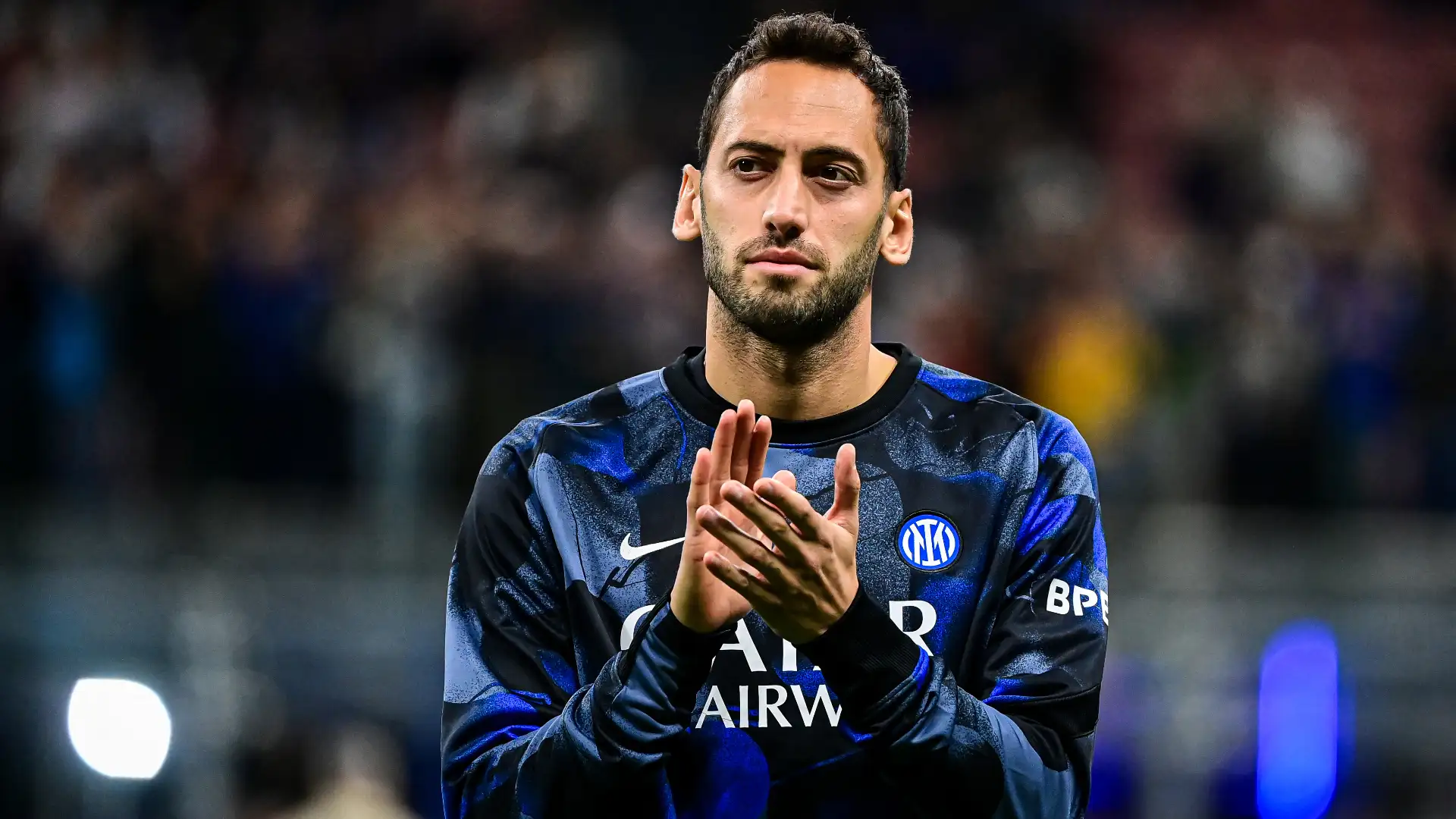
The market prescription — detailed in the third chapter — names Çalhanoğlu explicitly. Hakan Çalhanoğlu at Inter, 32, whose contract expires in June 2027 and who has been in our scouting database since the session began. As a January pre-contract target or a summer free signing, Cabrini is advocating for the specific midfield quality that the current squad most visibly lacks. A top striker is the second imperative, consistent with every other prescription produced across the crisis week.
“Even Platini Struggled in His First Six Months — You Have to Give Kolo Muani Time”
The Platini reference is Cabrini’s most historically loaded contribution to the Kolo Muani debate, and it reframes the entire question of expectation and timeline. Michel Platini — the most decorated player in Juventus history, the man who defined the club’s golden 1980s — had a difficult first half-season in Turin. The implication: the Juventus shirt does not automatically produce the best version of a player, even when the best version of that player is extraordinary.
“Serie A is difficult for strikers. Even Platini struggled in his first six months — so I try to understand Kolo Muani’s difficulties. You have to give him time, otherwise every year you start again from scratch. And I’m not only referring to the attack. On Kolo, remember last season: he also struggled to find space at Tottenham. Now he just has to regain confidence with a sustained match rhythm. You have to have faith.” On the pressure of the shirt: “The football of today is different from mine, but one thing never changes — the pressure the Juventus shirt puts on you. Not everyone can sustain it. But you cannot deliver a definitive judgement on Kolo Muani for two difficult months.”
“Keep Spalletti — The Manager Counts Only 20%”
The Spalletti defence is the most structurally interesting of Cabrini’s positions, because the 20% attribution of a manager’s importance to results is both deeply pragmatic and implicitly comforting: if the manager only accounts for a fifth of the outcome, sacking him changes relatively little. The prescription is patience with the existing structure, investment in the right players in January and summer, and the recognition that Yıldız’s return will do more to change Juventus’s season than any managerial decision.


