
The Decision Taken Late Tuesday Night — Kolo Muani to Start
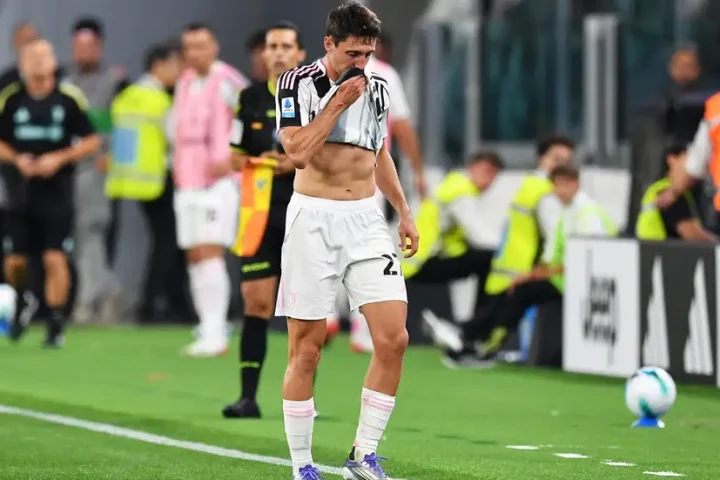
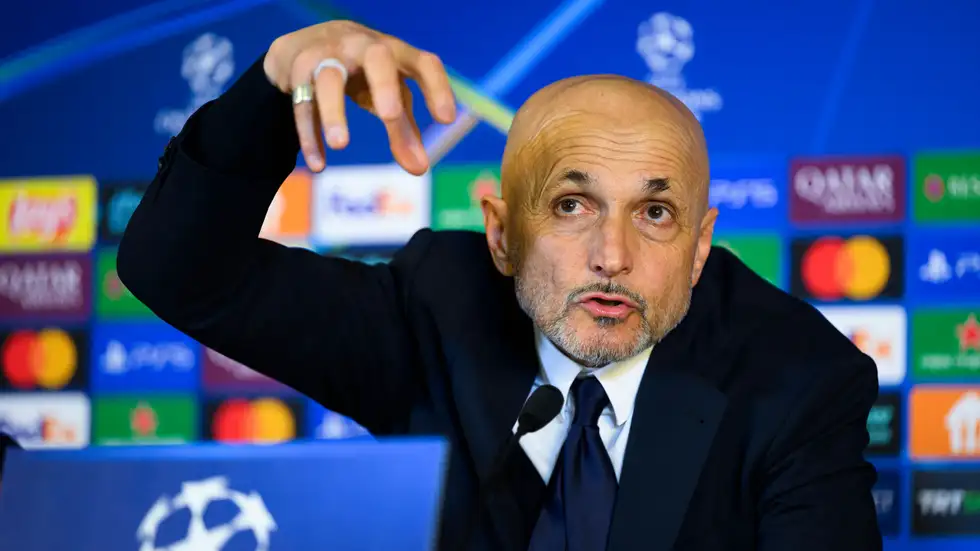
Spalletti deliberated until the late evening before settling on his forward line for Genoa. The decision: Kolo Muani starts, Woltemade drops to the bench. This is not a two-striker formation this time — it is Kolo Muani alongside Alajbegović in what Tuttosport describes as an untested combination, put together specifically for this opponent.
The tactical logic is built on a specific reading of Leo Ostigard. The Norwegian centre-back — who Spalletti personally coached and developed during Napoli’s Scudetto season — is implacable in aerial duels and physical confrontations. He is considerably less comfortable when tracking runners in open space. Kolo Muani’s explosive acceleration in behind is therefore the specific weapon most likely to cause Ostigard problems. Woltemade’s more physical, target-man profile would play directly into Ostigard’s strengths. The selection is a chess move, not a statement of confidence hierarchy.
The Wider Context — Rotation With One Eye on Napoli
The squad management dimension runs through the article explicitly. Spalletti has framed the Genoa and AZ Alkmaar matches as the “Champions B” — the second-tier scheduling priority within a week that culminates in the Napoli home fixture on Saturday 1 November. Woltemade’s absence from the Genoa starting line-up is partly about preserving him for the bigger occasion. The logic of the double midweek fixture means distributing the load, particularly given the injuries that have stripped the squad’s depth throughout October.
The Dressing-Room Mood — Rugani’s Sticker on Woltemade’s Locker
The article contains the most humanising detail of the pre-match build-up: teammates — led by Rugani — placed a joke sticker on Woltemade’s locker following the Lecce win, and the final Continassa training session before the Genoa trip was accompanied by smiles throughout. The specific nature of the sticker is not elaborated, but the reading is clear: the post-Lazio atmosphere of crisis, individual blame and institutional tension has given way to something more recognisably collegiate. McKennie’s “many can talk outside” and the Woltemade penalty-request story both pointed in the same direction. The Rugani sticker confirms it.
“Spalletti Confirms Confidence in Kolo Muani Despite the Finishing Errors”
The second chapter — the “surprising message” of the headline — is the extent to which Spalletti’s trust in Kolo Muani is not conditional on results. One league goal, a string of missed chances, the Lecce performance where he barely threatened — none of it has shifted the manager’s fundamental assessment. The specific form of that unconditional confidence, and what it says about Spalletti’s reading of the player’s trajectory, is in the second chapter. The headline framing — “the message that surprises” — suggests the defence of Kolo Muani goes further than the press conference register would imply.