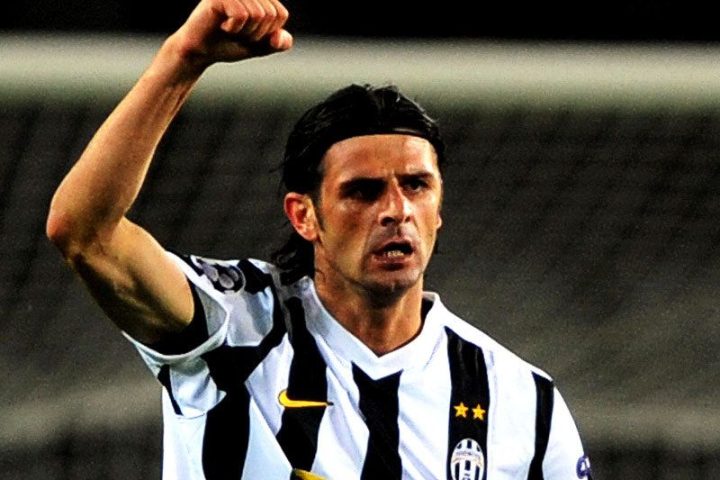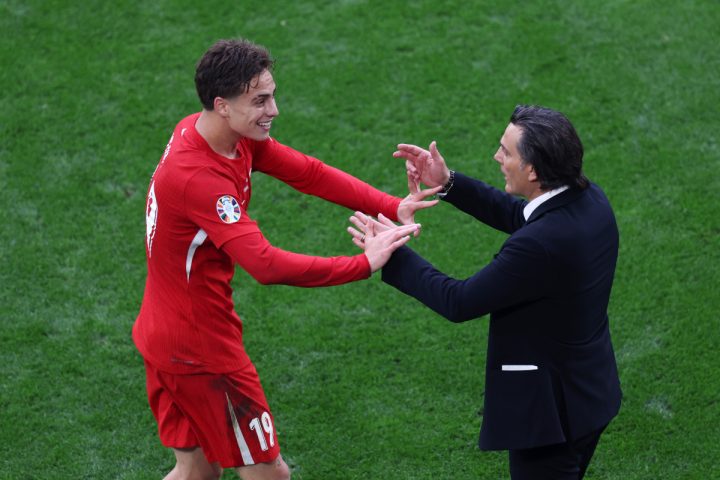


Jérémie Boga has given one of the most refreshingly candid interviews of Juventus’s pre-season, speaking to Tuttosport from the Asian tour with the kind of self-awareness that sets him apart from the standard vocabulary of footballers discussing their own situations. His message is simple and striking: the permanent transfer from Nice is not a destination. It is a starting line.
“The Permanent Deal Is Not a Point of Arrival”
“Being kept by Juventus made me very happy,” Boga said, “but the riscatto is not a point of arrival — it is a point of departure. I still have to earn this shirt. I know that. Every day in training, every match, I have to show that I deserve to be here.” For a player who arrived in January on loan and has been a permanent Juventus player for barely two months, the humility in those words is both striking and enormously reassuring.
A Full Pre-Season with Spalletti for the First Time
The summer has given Boga something his interrupted first stint at the club could not: time. Time to know the manager, to understand his methods, to internalise the demands that come with playing for Luciano Spalletti. “Arriving in the January transfer window, I did not have much time to settle in — I had to adapt to the new context immediately. Since the summer I have been able to get to know the manager much better. I am trying to understand with greater attention what he asks of me and above all what he expects from me. It is an advantage to restart with Spalletti.”
“Yıldız Is a Competitor — but There Is a Real Feeling Between Us”
The question of Boga’s coexistence with Kenan Yıldız — two technically inventive, left-inclined attacking players competing for the same creative spaces — has been a recurring subject of discussion since the summer began. Boga addressed it directly and without defensiveness: “Yıldız is a competitor, yes. But there is also a real feeling between us. He is a great player and a great person. We push each other to improve. Competition like this makes you better.” It is the answer of a player settled enough in his own identity to welcome rather than fear the rivalry.
A Sidebar That Tells Its Own Story
The trending bar alongside the article delivers two pieces of news with immediate Juventus relevance. First: Douglas Luiz has said no to Everton and decided to stay at Juventus — a development that significantly reshapes the midfield picture and suggests Spalletti’s pre-season confidence in the Brazilian is already having consequences in the market. Second: fresh contacts have taken place between Juventus and Bologna on the Lucumí transfer, with the distance between the two clubs having been meaningfully reduced and discussions now also touching on potential makeweights. Both stories move the window forward on the same morning that Boga reminds everyone of what good professional behaviour looks like.