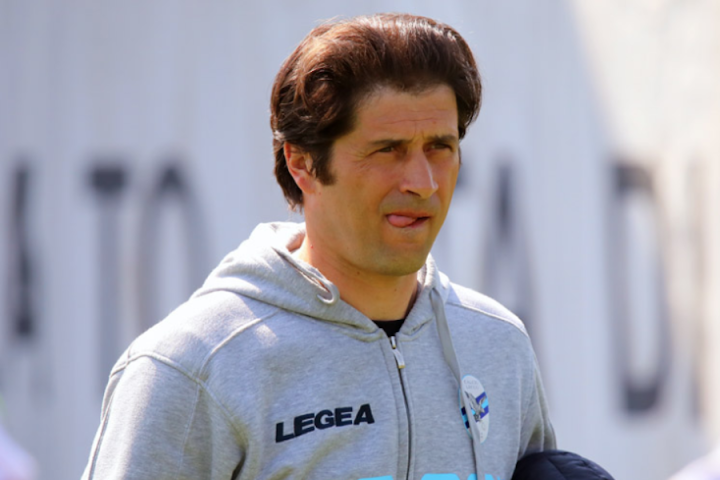


There was no need to perform a forensic dissection of Gleison Bremer’s outburst. Even in real time, the words delivered on Sky Sport were explosive: “The manager gives instructions but in the end it is us who go out on to the pitch. I cannot carry everyone in my arms. I can talk and give a hand, but each person has their own character and I can only go so far. There are those with more character and those with less. There are those who hear the whistles and maybe get scared.” And when pressed on the meaning — whether he was pointing the finger — Bremer doubled down rather than retreating: “Yes, I said this but I am not pointing the finger at the players. Each person has their own character. There are also many new ones, and when things go badly some hide a little — but that is normal.”
A complaint against unknown persons, made entirely out of time, by someone who against Lazio sank alongside — if not before — his teammates.
The Club’s Reaction — Unwelcome, and Consequences Followed
Tuttosport is direct: the words were “sgradite alla società” — unwelcome at the club. The precise institutional displeasure stems from the public nature of the outburst, the specific timing — made when Bremer himself had not performed well — and the implications for dressing-room cohesion in an already fragile moment. A fine is confirmed. Bremer has taken a step back from his initial position and has apologised to his teammates.
Spalletti’s Response — First on Television, Then Face to Face With the Squad
The manager’s public handling of the Bremer moment on Sky — “Bremer is inside this like everyone. First you must talk about yourself, then about the rest of the squad. I too must now analyse myself, ask myself questions and find answers” — was followed immediately by the same message delivered privately, face to face with the group, directing his words specifically at Bremer. Spalletti did not apply excessive pressure. He was firm and steady, repeating the same substance: self-analysis first, collective discussion second. Pirisi describes him as “fermo e rigido” — firm and rigid — in the substance, though not pressing the bruise further than necessary.
The Vicario Contrast — “La Maturità di Vicario”
The second chapter offers the institutional counterpoint: Vicario, in the same post-match environment, with the same access to microphones, chose the opposite approach — shared responsibility, no finger-pointing, the story’s weight distributed equally across the eleven. Pirisi’s framing of this as “maturità” — maturity — is deliberate. The goalkeeper who joined on a free loan from Tottenham, who is in his first competitive months at the Allianz Stadium, navigated Sunday’s post-match with a composure the club’s own captain failed to demonstrate. Buffon’s pre-season assessment of Vicario as a “guarantee of serenity” has found its most significant confirmation yet — not in a save, but in a dressing-room moment.
The Bremer chapter is formally closed: step back, apologies, fine, the episode extinguished before it could become incandescent. The question it raised — of leadership, of how a dressing room of young and new players is held together when results turn — remains very much open as Rennes arrive at the Allianz on Wednesday.