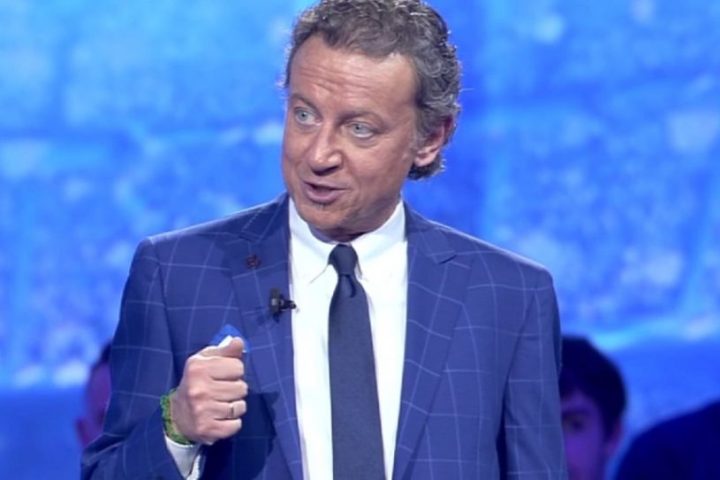


Giorgio Chiellini spoke at the Football Business Forum hosted by SDA Bocconi, reflecting on his evolving role within Juventus and offering insights into the club’s strategic direction.
“My role seeks to combine proximity to the sporting side while growing in a more institutional context,” Chiellini explained. “It’s a position I’ve inherited from Francesco Calvo, who introduced me to this environment last year. What I used to do nationally, I’m now doing on an international level as well. Alongside Federico Comolli, I’m involved in all aspects of managing the club.”
The former Juventus captain made clear he never saw himself as a coach: “I’ve never felt like a manager. I’m transitioning into a different kind of role, but leadership can still be maintained. Each season starts with 25 players—25 individual enterprises with personal goals. The challenge is to build hierarchies and create unity of purpose because without that, even those individual ‘companies’ struggle. And as a player with leadership responsibilities, you also have your superiors—from the coach to the club management and ownership.”
Bridging the Gap with the Premier League
When asked about the gap between Serie A and the Premier League, Chiellini pointed to broader challenges: “I’d also add the Champions League as a competitor to Serie A. Football is becoming more global, especially with the new media rights cycle in 2027. Serie A will never reach Premier League levels, but it must improve to survive, especially as international interest declines. To attract fans, the league needs to bring—and keep—the best players.”
He criticized the lack of collective vision in Italian football: “Right now, there isn’t a unified approach focused on collective growth. We can’t afford to be a league that nurtures players only to see them leave. Investing solely in football is risky without a wider plan, and although Italian clubs are relatively affordable, investors still encounter major challenges. Look at Pallotta in Rome—he arrived with stadium ambitions, and after more than a decade, nothing concrete has been achieved. Milan is showing progress, and I believe Italian entrepreneurs are willing to invest if bureaucracy finally supports them instead of driving them away.”
Juventus: Financial Balance and Sporting Ambition
Chiellini then turned to Juventus’ future: “The club has two key goals—sustainability and sporting results. We’ve come from difficult financial years, especially during the COVID period and the two seasons without Champions League qualification. But by 2026–27, we aim to reach breakeven. We’ve been pioneers with the second team project, and now we’re enjoying the benefits—just look at Yildiz. For financial reasons, we’ve had to sacrifice some talents, but that was part of the broader plan.”
He noted improvements in commercial stability: “We now have a solid foundation on the sponsorship side to support the club. We were aware of UEFA’s Financial Fair Play process—it will result in a fine and a new settlement agreement, but no extraordinary measures will be required. What matters is continuing the path we started years ago and qualifying for the Champions League. Look at Milan this season and Inter last year—both achieved success while stabilizing their accounts. There’s a huge difference between reaching a final or exiting at the group stage in terms of both prestige and financial impact.”
A New Era of Stadium Events
Discussing future projects, Chiellini revealed plans to expand the Allianz Stadium’s use beyond football: “We’re launching many new events at the stadium. We’ve already hosted rugby matches, and this summer we’ll have the first concerts. The aim is to host major events beyond football matches and to better understand what fans truly want. Increasing our fan base will make the club more attractive to sponsors.”
He also compared Italian stadium experiences with those in the United States: “We’re working to make the stadium more engaging with special activities, but we must improve our data collection. In the U.S., competitiveness is maintained through the salary cap system. Their leagues may not be exploding in global stature, but they’ve built a sustainable model where even crowds of 20–25,000 deliver a great product. Their approach to sport is more entertainment-driven—closer to theater or cinema—and it works for them.”