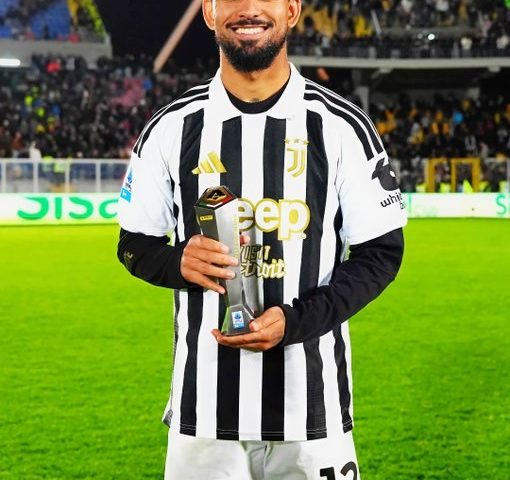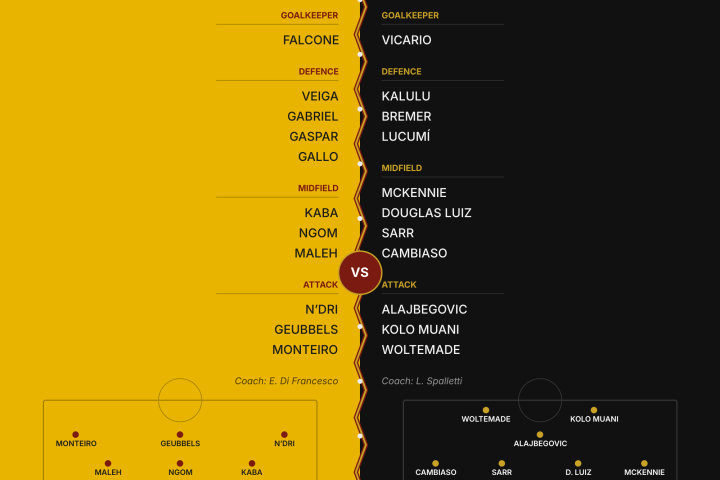

A response was needed and it arrived. Goals from McKennie and Douglas Luiz give Juventus a 2-0 victory at Lecce and a first Serie A win since the opening day at Frosinone. The three points do not resolve the structural questions — the second half was a source of concern rather than confidence — but they restore something that had been dangerously absent: the capacity to produce a result when the pressure to do so is at its most acute.
“They Played a Very Good Match on Rhythm and Pressing — Then in the Second Half We Dropped Off”
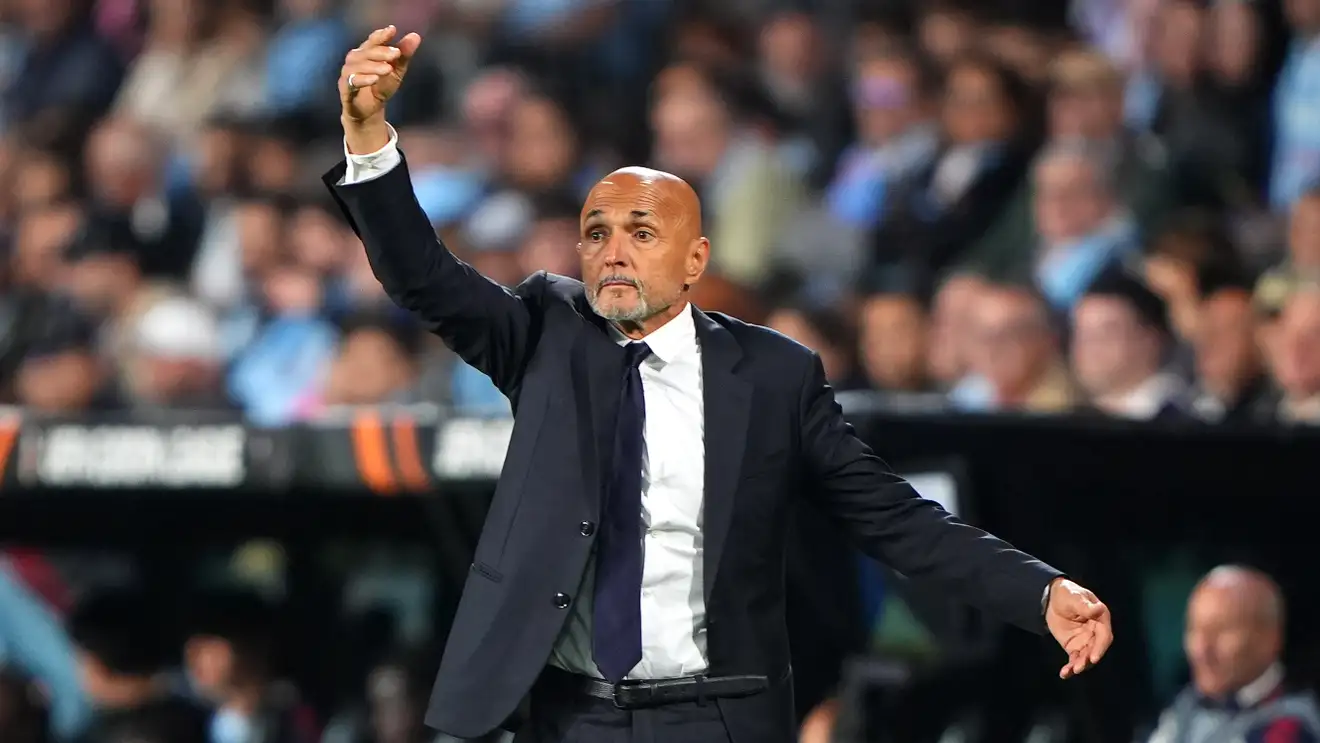
The opening Sky Sport assessment from Spalletti is measured rather than euphoric: “They played a very good match in terms of rhythm and pressing. They accepted to play a match face-first and in the first half we had created important foundations. Then in the second half we dropped off a bit. In the management phase it all becomes more difficult, because you have less courage when you think you can see the game out. But football is what it is now — you have to play like the first half all the way through.”
The 3-5-2 Explained — Tactical Solidity, But Wide Attackers Pay the Price
The post-Lazio tactical shift — from the 3-4-2-1 to the 3-5-2 with three central midfielders — is explained with specific honesty about what it costs: “From a tactical point of view we modified something after the squad conversation, playing with three midfielders in this 5-3-2. In moments like this one needs more solidity. But it’s clear that with the choices you make, you lose certain potentials — because you always need to put players in positions where they feel comfortable to contribute their qualities to the team’s style. This way you exclude the wide attackers a little bit, with their one-on-ones that served us well on other occasions.”
The trade-off is stated plainly. The 3-5-2 provides defensive solidity and compactness but removes the Zhegrova and wide Conceição dimension that had been effective intermittently. With González injured, that trade-off is currently unavoidable.
On the specifics of why the back four was discarded: “With a back four you have to play man-to-man, with fewer diagonal cover movements on the opposite side. In the back three we’ve found this structure and we’re happy — from the very first training session we found a team shape. Fundamental not to concede on those counter-attacks, those long spaces. Before it was happening — now a bit less. But the second half was already a step backwards.”
“The Game Is Physical Now — You Play Open, Bashing Into Each Other, Flat Out”
One of the most vivid passages of the interview: “In the continuous long balls, ball into the chest, duels and physicality — the way football is now, because refereeing criteria have rightly changed — teams with height and running are advantaged. You play open, bashing into each other, flat out, ball in the face. There are players who don’t hold up in a situation like that.” The implicit message about the January striker target — a number nine with the physical presence to thrive in that environment — is clearer than any transfer headline.
“Douglas Has the Touch If He Decides to Stay In It” — Praise With a Specific Condition
The Douglas Luiz chapter is the one the Tuttosport headline extracts most directly. “Douglas ha il piedino se decide di starci” — Douglas has the technical quality if he decides to commit. The “se decide di starci” is the conditional that Spalletti has been circling around for weeks: the Birmingham version of Douglas Luiz is available if the Brazilian chooses, in every moment of every match, to fully inhabit the role that has been described for him. The goal at Lecce — which will be discussed in chapter four with the “canzoncina” reference — is proof that the quality is there. The condition is the consistent choice to deploy it.
“I Don’t Know If I’ll Sleep Tonight When I Think About the Second Half”
The closing line of the Sky interview — “Non so se stasera dormirò, se penso al secondo tempo” — is the one that captures Spalletti’s psychological state most precisely. Three points. A clean sheet. A first league win in eight weeks. And the manager is still not sleeping, because the second half showed the tendency to retreat, to manage, to lose the first-half’s conviction, that has cost Juventus so dearly this season. The victory is genuine. The distance from where this squad needs to be is also genuine. Spalletti holds both truths simultaneously, which is exactly the quality the job at this moment requires.