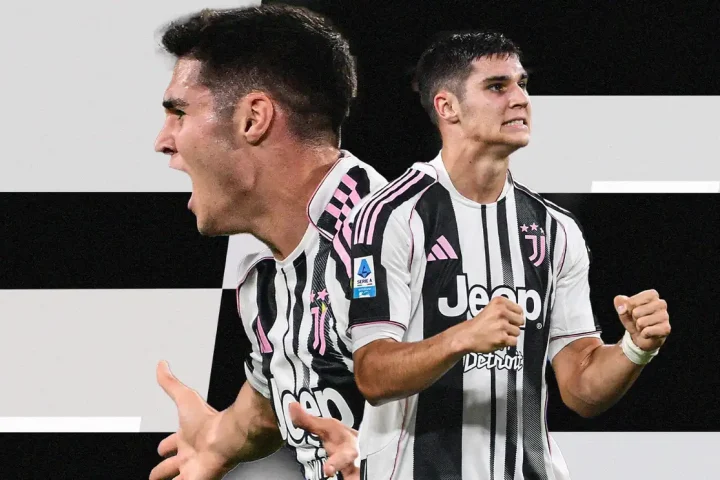


When Arkadiusz Milik walked back through the doors of the Continassa for the opening day of Juventus’s 2026-27 pre-season under Luciano Spalletti, many supporters were surprised. The Polish striker has not played competitive football for two years. He remains under contract. And now, in an interview with Polish radio station RMF that has resonated deeply across the footballing world, he has opened up on precisely what those two years have meant — emotionally, physically, and personally.
“The Worst Period of My Life”
Milik’s words carry the unmistakable weight of genuine suffering. “Last year was the worst period I have experienced,” he said. “The hardest moments were the ones I spent at home. I would look at Agata — my partner — and just cry.” He was careful to draw a clinical distinction, one that matters: “I was not depressed. But I had very deep emotional lows. It was not easy.”
For a professional athlete whose identity is inextricably bound to the act of playing football — competing, contributing, feeling the physical reality of the game — two consecutive seasons lost almost entirely to injury represent a kind of absence that goes well beyond the sporting. Milik’s willingness to articulate that experience honestly, without deflection or false positivity, is itself a form of courage.
The Injuries That Would Not Relent
The chronology of Milik’s misfortune at Juventus is extensive. His arrival from Marseille was supposed to provide Spalletti’s predecessor with a reliable, technically accomplished backup centre-forward — a player with a proven goal-scoring record in multiple European leagues and the physical qualities to thrive in Serie A. Instead, a succession of muscular and knee problems reduced him to a peripheral figure, watching from the treatment room as the seasons passed around him.
That the club has not terminated his contract — and that Milik himself has returned, without complaint or drama, to the Continassa for another attempt — says something meaningful about both parties. Juventus retain belief, however cautious, in the player they signed. Milik retains the drive that has defined his career through previous periods of serious injury.
“I Feel I Can Still Do This”
The most important line in the entire interview is the final one. After everything — the tears, the emotional depths, the months of rehabilitation, the public silence — Milik arrived at the Continassa with a simple statement of intent: “I feel that I can still do this.”
It is not a boast. It is not a declaration of certainty. It is the quiet, hard-won conviction of a 32-year-old footballer who has been to the darkest places his career has taken him — and who is not yet ready to accept that this is how the story ends. Whether Spalletti will find a role for him this season, or whether a mutual agreement eventually provides both player and club with a clean conclusion, is a question the pre-season will begin to answer. For now, Milik is back. And he is fighting.