
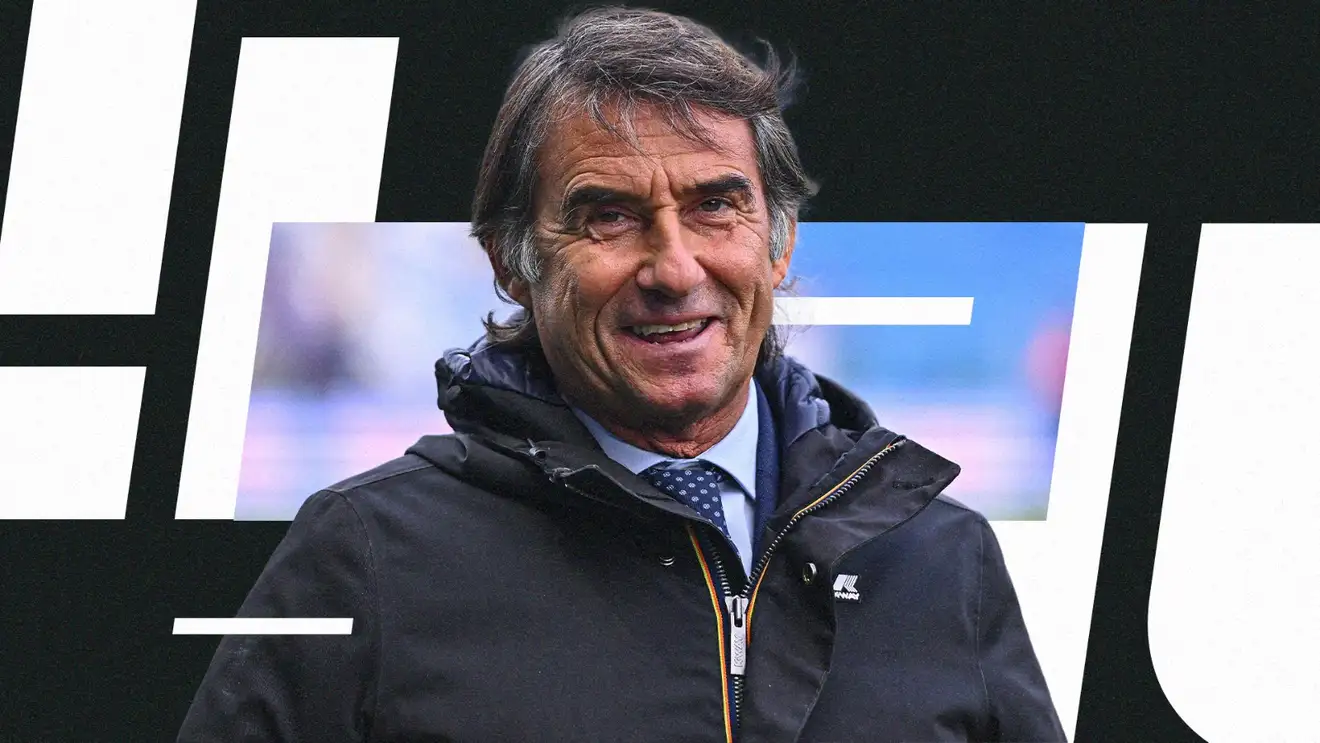
The temptation to confront the squad face-to-face and without filters had been an old germ that Giovanni Carnevali, until now, had simply chosen to ignore. He believed that with time the players would produce tangible responses, both on and off the pitch, to the poor performances against Sassuolo and Lazio. He also held a profound respect for Spalletti, his staff, and the rigid boundaries that delimit competences within a football club.
That restraint is over.
The Pitch-Side Meeting — Ownership Stands Beside the Manager, Every Player Is Warned
On Thursday morning Carnevali gathered the squad on the training pitches at the Continassa with a dual purpose. First, to restate the ownership’s position at Spalletti’s side. Second, to warn without euphemism every single member of the squad.
The specific categories Tuttosport identifies are revealing. The newly arrived players. Those who have grown accustomed to demanding without demonstrating anything. Those who delude themselves that they can make or break the dressing-room atmosphere by offloading their own lapses onto the bench. And those who continue to pursue what Tuttosport calls the “grubby hunt for alibis” — the culture of excuse-making that, over the last three years, has produced three dismissals and an equal number of institutional upheavals.
The principle at the centre of it is stated with exceptional clarity: the manager, for now, is not to be touched. It is the players who need to wake up.
The End of the Guillotine — the New Leadership’s Core Commitment
The article identifies something structurally important about the current administration’s self-conception. Carnevali’s “allergy to the guillotine policy” is described as a chronic vice that the new Juventus leadership intends to eradicate once and for all. The cycle that Calzona identified in his interview — Sarri, Pirlo, Allegri, Motta, Tudor, Spalletti — is the pattern the club’s current management has explicitly resolved to break.
This sits in direct tension with Calciomercato.com’s reporting from Thursday afternoon, which framed the Napoli match as potentially decisive for Spalletti’s future and mapped the two pathways (big name or caretaker). Tuttosport’s reporting from the Continassa suggests the board’s actual disposition is more resistant to the sack than the media narrative implies. Whether those two readings can coexist if Saturday goes badly is the open question.
Carnevali’s Diagnosis — Not Tactics, Not Rotation, Not Modules
Carnevali is described as convinced that the “Caporetto of Marassi” has nothing to do with formations, rotation, or any tactical failing. The explanation is simpler and more damning: a total absence of verve, fighting fury, desire and pride. This is precisely what Spalletti said on DAZN (“we need to see if these players have that everything”), what McKennie said at the mixed zone (“the inner things cannot be trained”), what Ambrosini said (“not the personality to get out of a difficult situation”), and what Di Canio said (“no identity, no soul”). The president of the club is now saying it directly to the players: you are at Juventus. Behave accordingly.
The second chapter — headlined “the defeat to Genoa triggers Carnevali’s ultimatum” — covers the specific terms of the ultimatum, which sit behind the paywall. The linked “L’ultimo blitz di Spalletti” piece suggests there is a further development involving the manager’s own approach and the “hypothesis after Napoli” — a phrase that carries its own implications about how the club is weighing its options if Saturday evening goes the wrong way.