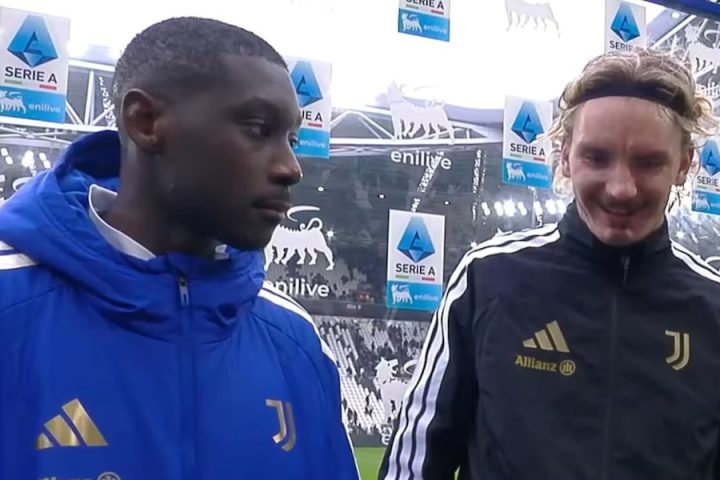

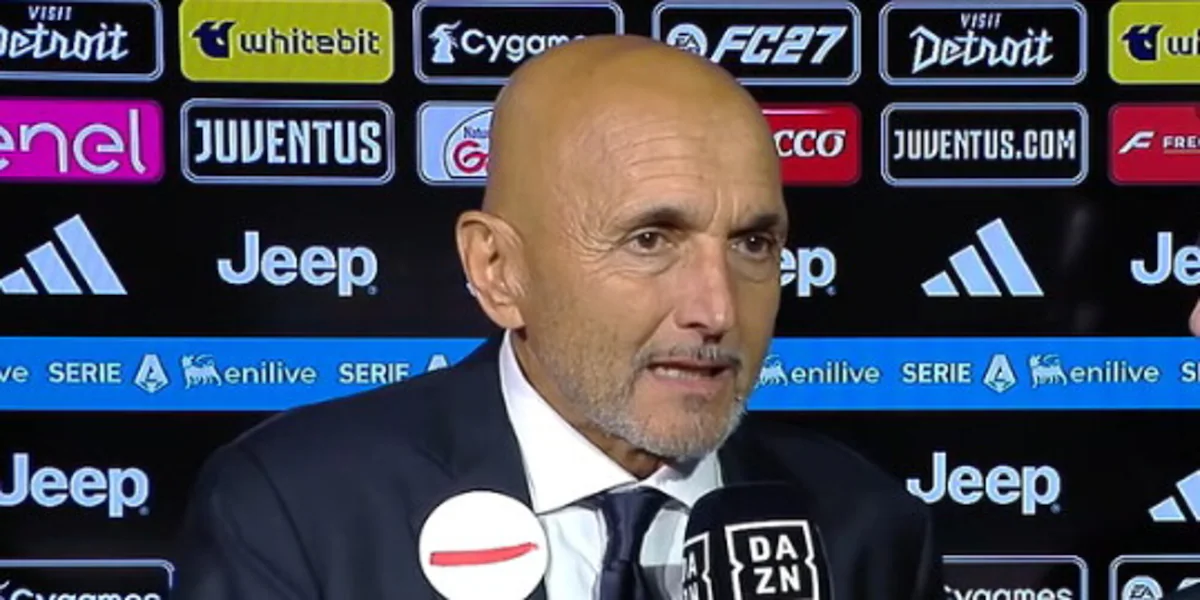
A 4-0 win, and still Luciano Spalletti was not entirely satisfied. In his post-match comments to DAZN and Sky Sport, reported by Tuttosport, the Juventus coach celebrated the second-half transformation against Venezia. He was just as blunt about the first half that preceded it. Nick Woltemade came on for the injured Alajbegovic at half-time and changed the game, and all four goals came after the break. But Spalletti’s message was clear: Juventus cannot keep relying on a half-time reset.
“We Have to Take Control and Not Be Passengers”
Spalletti did not soften his verdict on the opening forty-five minutes. “We did things that make no sense, and it’s not the first time it’s happened,” he said. “It’s not the first time we’ve had to untangle the knots we have in our heads and create ourselves.” The mistakes were basic, he explained, with very simple passes misplaced, nobody moving from their position and nobody preparing the next ball.
He then offered the metaphor that will define this game. “If you do nothing, you become passengers in the match. You get into someone else’s car, because they end up driving.” The solution, in his view, is simple: “We have to go out and make choices. We have to take control and not be passengers.” He acknowledged that the players had recognised something was missing, and that this mattered. In the second half, he said, they came out to make decisions, were looser in their passing lines and played with more of a team idea. Even so, there was a note of exasperation. “We’ve had this discussion too many times.”
“Kolo Has to Understand It” and “You Don’t Live on Two Flashes Alone”
Much of the debate centred on Randal Kolo Muani, who rounded off the scoring from the penalty spot Woltemade handed him. Spalletti agreed that the Frenchman is often more effective out wide, but explained why he needs him in the middle. “I need someone else inside,” he said. “With all these matches, I need someone else to play as the striker.” The wide areas are already well covered, he pointed out: Francisco Conceição, Edon Zhegrova and the returning Nico Gonzalez on the right, and Alajbegovic, Kenan Yildiz and Jeremie Boga on the left.
What he wants from Kolo Muani is movement. “He has to be good at carving out the space he wants to attack at the right moment,” Spalletti said. “He has to create it himself, through his behaviour, to get there on the move and not start from standing still.” He admitted that receiving the ball centrally with a defender at his back is not what Kolo Muani enjoys. “But he can get there without being caught standing still. I need him in this position too.” He also defended his decision not to throw the young Jeff Ekhator in at the deep end. “Are you going to give him the responsibility of sorting out the striker position at Juventus? In my opinion, that’s wrong.”
On Zhegrova, he was full of admiration and full of demands. He called the winger incredible, a player of genius with a powerful left foot who produces moves you won’t find on any whiteboard. But he also highlighted the lapses, the dangerous balls given away and the times Gleison Bremer had to clean up behind him. “You don’t live on two flashes alone,” Spalletti said. “You need consistency.”
The afternoon also marked Spalletti’s 600th match as a coach. Asked about his next career goal, he joked about the criticism he has faced: “Reaching the 601st, because anything can happen in football.” The circle is complete. On the day he reached a landmark, Spalletti’s Juventus showed both their best and their worst. Now he wants to see the second-half version for ninety minutes.