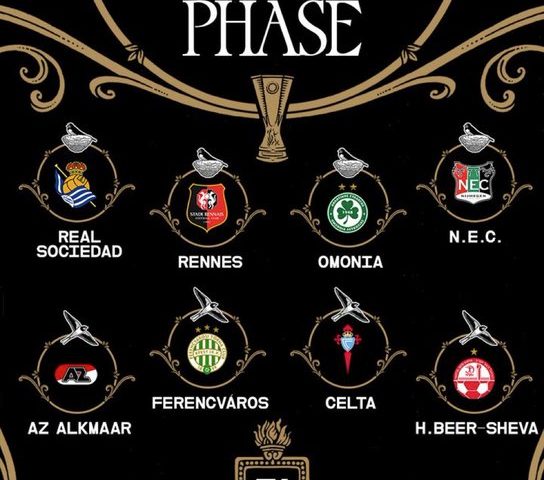


Alessio Tacchinardi carries a specific and uncomfortable memory into tonight’s conversation. Twenty-six years ago, Juventus collapsed 4-0 in Vigo. It is not a positive recollection. “The match was born wrong — in that game and in that context, Celta were clearly superior.”
Could it happen again? “That team was something else. Today they seem to have less quality, less creativity, maybe a bit more solidity. The one we faced in 2000 exploited an incredible push from their supporters — it was a cauldron, and they hurt you badly.”
“There Is One Thing You Must Not Do in Vigo — Give Them Rhythm”
On the specific atmospheric challenge of the Estadio de Balaídos and the lessons from his own experience of playing in Spain at Villarreal: “It is very similar, despite the differences between clubs. Even in my time there were always lots of people — they feed on the moments of the matches. And there is one thing you must not do: give them rhythm and therefore enthusiasm. You have to keep them with their ears down, because if they find the pleasure of playing, then they can hurt you.” His verdict on the fixture: “A difficult match. Very hard. They gave us a hell of a time in 2000.”
“This Juventus Needs Venom — the Bianconero Venom”
The second chapter — “Juventus, serve veleno” — delivers Tacchinardi’s most pointed and structurally significant assessment of the current squad. The diagnosis, stripped to its essence: this Juventus lacks what he describes as “veleno bianconero” — the bianconero venom. The specific competitive nastiness, the willingness to impose themselves physically and psychologically on matches that are not going their way, the mentality that in the Juventus of Tacchinardi’s era made the club so difficult to beat in close or contested games. The 1-1 at Cagliari, in which Juventus had 22 shots but failed to convert dominance into victory, is the empirical evidence. The first-half performance at the Unipol Domus — passive, imprecise, unable to prevent Maldini’s goal — is the character evidence.
“Only One Player Has the Juventus Character — But He Doesn’t Play”
The headline passage — and the most impactful sentence of the entire interview — is contained in the fourth chapter: “Only one player on this squad has the Juventus character. But he doesn’t play.” The identity of the player is held behind the paywall, but the framing narrows the field considerably. “Spalletti has it. The players don’t.” The manager whose own touchline behaviour at Cagliari — the Pisacane confrontation, the provocatory attitude that earned him a one-match ban — expressed exactly the competitive venom Tacchinardi is describing, stands as the single positive example. His players have yet to absorb and express it on the pitch.
Kolo Muani and Woltemade — “With Kolo There Is a Risk”
The third chapter addresses the attacking partnership that emerged at Cagliari. Tacchinardi’s verdict on Woltemade is “sufficient” — a characteristically frank assessment that neither dismisses the German nor inflates him. On the two-striker combination with Kolo Muani, he identifies a specific risk that is the counterpart of the benefit Kolo Muani himself described: “With Kolo there is a risk.” The nature of that risk — whether it is the defensive exposure created by using two forwards who both tend to drift from their areas, or a more specific vulnerability in the system — is elaborated in the paywalled chapter.
“What Spalletti Needs Most”
The fifth chapter — “Di cosa ha più bisogno Spalletti” — completes the five-chapter interview with Tacchinardi’s prescription: what the manager most needs, in his reading, to turn the tactical promise of the Cagliari second half into a consistent competitive identity. The precise answer is locked away, but the direction of the interview — the venom diagnosis, the character gap, the Spalletti contrast — suggests that what the manager most needs is players who can match his own level of competitive intensity.