

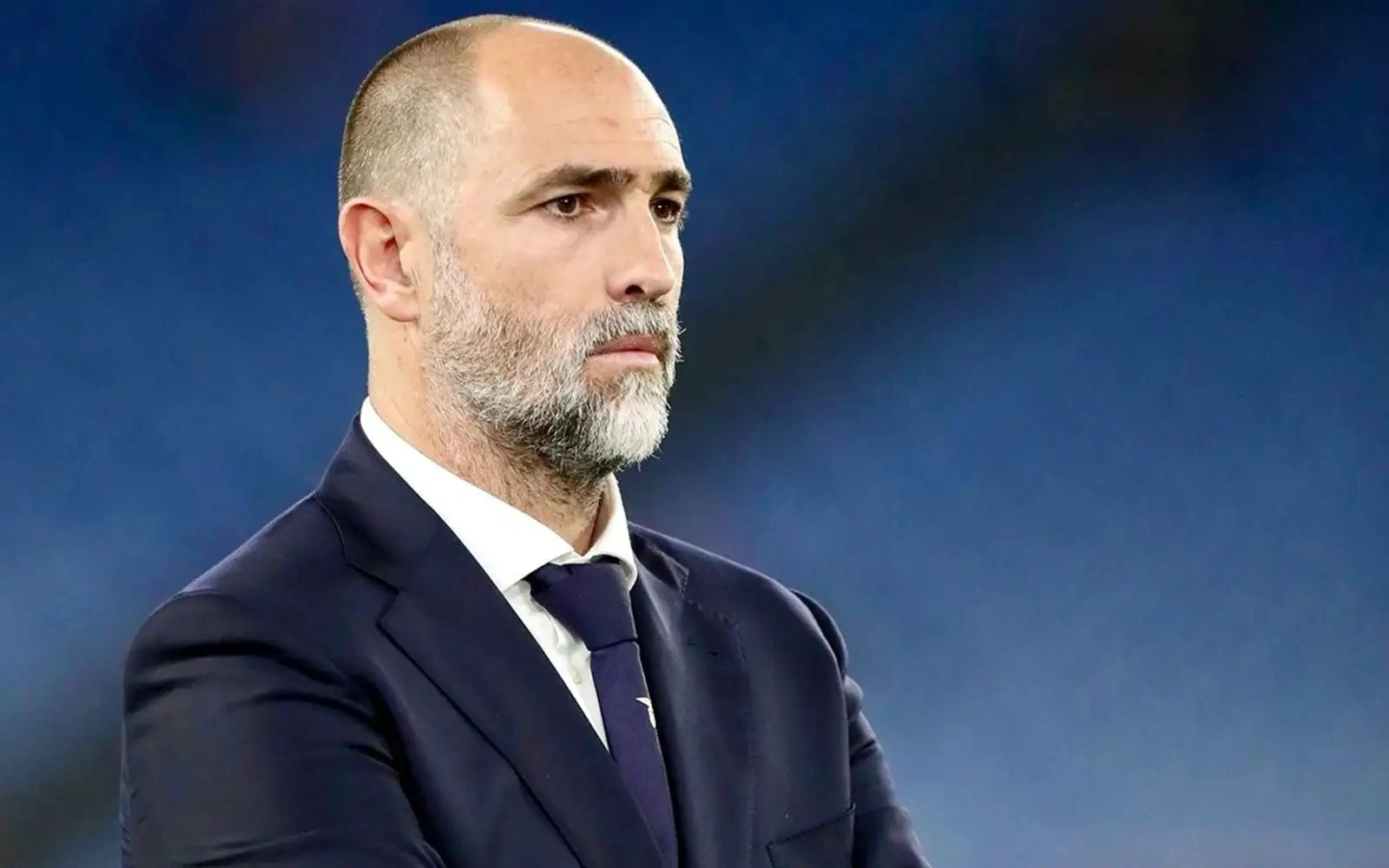
Yesterday’s announcement of Igor Tudor’s dismissal from Juventus did not come as a complete surprise. The Croatian coach was informed of the club’s decision around midday, following a meeting with Damien Comolli and Francois Modesto. Giorgio Chiellini was absent, being on institutional duty in Riyadh. By the time the news became official, it was clear that something within the club’s internal structure had already fractured.
Reports from IlBianconero suggest that tensions between Tudor and the Juventus hierarchy had been simmering for weeks, if not months. A closer look at the events leading up to his dismissal reveals an accumulation of strained relationships, missteps in communication, and growing detachment.
Fractured Relations with Comolli
From the beginning, Tudor’s relationship with sporting director Damien Comolli was far from ideal. There was a sense of professional tolerance rather than genuine cooperation. According to reports from *Tuttosport*, Comolli had been exploring alternatives to Tudor soon after his own arrival, reviewing other managerial options before reluctantly confirming the Croatian for the season. The partnership, however, was never underpinned by full mutual trust.
Words “Not in the Juventus Style”
What finally pushed the situation over the edge were Tudor’s public statements, considered “un-Juventus” in both tone and substance. In recent weeks, the coach had sparked controversy with a series of comments that clashed with the club’s disciplined and understated image. Among his remarks were:
– Complaints about refereeing decisions
– Criticism of the Italian football authorities
– Comments on Cesc Fàbregas’s freedom to select his players
– Complaints about the fixture list, suggesting Juventus would be top “if we had played Cremonese instead of Milan”
– A particular quip about “algorithms” used to generate the fixture schedule, made in front of Comolli — who has long been an advocate of data-driven analysis
These remarks were viewed internally as unbecoming of a Juventus manager. Combined with inconsistent performances on the pitch, they deepened the club’s doubts about Tudor’s leadership.
A Disconnect with the Dressing Room
While many players publicly bid farewell to Tudor via social media, behind closed doors the atmosphere was far from harmonious. Reports suggest Tudor struggled to connect with the squad, particularly with Italian players. He often praised individuals in ways that puzzled the group — such as saying Andrea Cambiaso “could play for Real Madrid” — but never inspired complete allegiance.
The tension reportedly peaked after the defeat to Lazio, when Tudor is said to have accused his players of “lacking dignity” in the dressing room. It was a moment that encapsulated the growing divide between the coach and his team.
Feeling Isolated
Sources close to the club describe Tudor as having felt increasingly isolated in recent months. His requests for reinforcements went largely unmet: he had asked for Randal Kolo Muani but received Loïs Openda, a player who never fully convinced him. His demand for a top-quality midfielder was also overlooked.
Faced with a lack of internal support, limited results, and communication breakdowns both upwards and downwards, Tudor’s exit ultimately appeared inevitable. What began as a promising attempt to restore Juventus’s intensity and identity ended in frustration — a story not unfamiliar to a club searching once again for stability.


