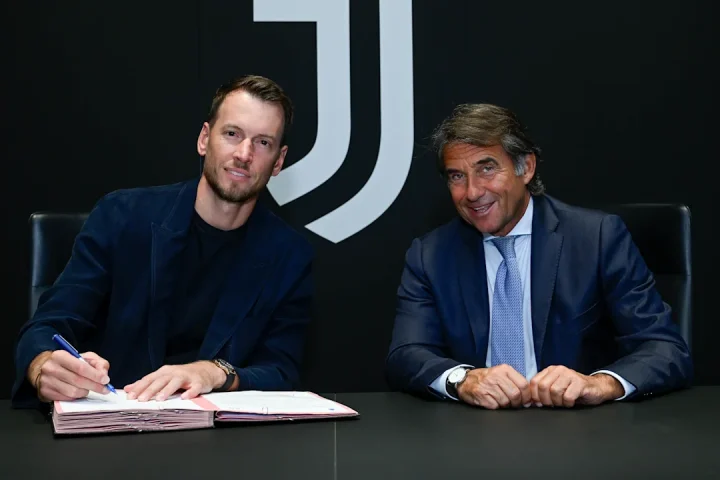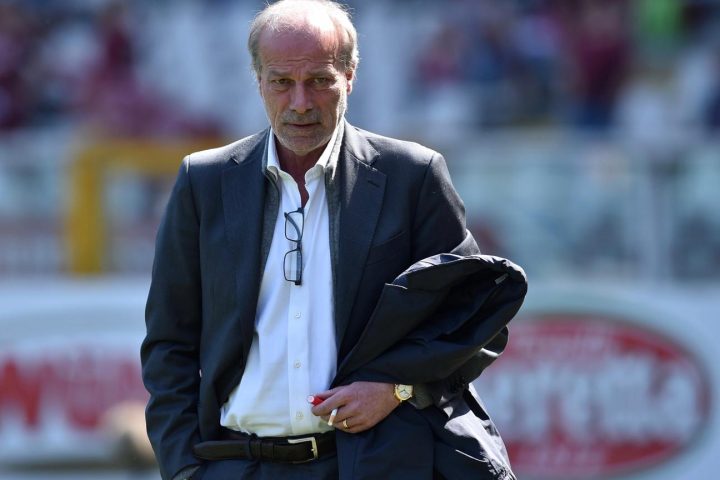


Arsenal have returned for Kenan Yıldız. And Juventus have given them precisely the same answer they gave the first time: no. Not for negotiation, not for an extraordinary offer, not at any price the English market is currently prepared to contemplate. Yıldız is not for sale — and the clarity of that position speaks volumes about the direction in which Carnevali, Massara, and Spalletti are collectively pointing this club.
A Wall That Has Been Tested Before
This is not the first time Arsenal have moved for the 21-year-old Turkish international. In June, before the window had barely opened, the Gunners made an initial sounding. The response from Turin was immediate and unambiguous: the player was not on the market. Since then, the arrival of Kolo Muani and Alajbegovic, the encouragement of pre-season performances, and Yıldız’s own return to pain-free football against Chelsea in Hong Kong have only reinforced the club’s conviction. Arsenal’s renewed interest, circulating in the last 24 hours, has met the same wall.
Why a Sale Would Be Indefensible — Technically and Symbolically
The technical argument against selling Yıldız is straightforward. Luciano Spalletti is building a team designed around pace, creativity, unpredictability, and technical sophistication. Yıldız embodies every one of those qualities — the ability to start wide, drift centrally, play between the lines, and create something from nothing when the structural patterns break down. He has just returned to fitness after a difficult physical period and served the assist for Zhegrova’s Chelsea winner from the bench. This is not the moment to destabilise the project by removing its most naturally gifted element.
The symbolic argument is equally powerful. Juventus renewed Yıldız’s contract until 2030 just months ago, explicitly designating him as central to the present and future of the club. Selling him now — to a Premier League rival, at the very moment the rebuild is beginning to take shape — would send precisely the wrong message to every other player, every potential signing, and every supporter the club is trying to reconnect with after years of institutional chaos.
Alajbegovic Is Not a Replacement — He Is a Complement
One reading of the Alajbegovic signing was that it prepared the ground for Yıldız’s eventual departure — a creative successor being secured before the original was sold. TuttoJuve’s Massimo Pavan dismisses this interpretation entirely, and the analysis is compelling. Spalletti’s system, in its most expansive form, is built to accommodate multiple technically gifted attacking players simultaneously. The vision is of Yıldız, Alajbegovic, Conceição, and Kolo Muani working in concert — young, hungry, and technically ambitious. Adding Alajbegovic creates competition and depth; it does not create a vacancy that needs filling with a transfer fee.
The Message This Sends — and Why It Matters
In modern football, few declarations carry more weight than a club’s consistent refusal to sell its best young player. For Juventus, who have spent years in a state of institutional and sporting decline, holding firm on Yıldız is not merely a transfer decision — it is a statement of ambition. The great clubs do not sell their symbols. They build around them. And in refusing Arsenal twice, the new Juventus has begun, however modestly, to act like one.