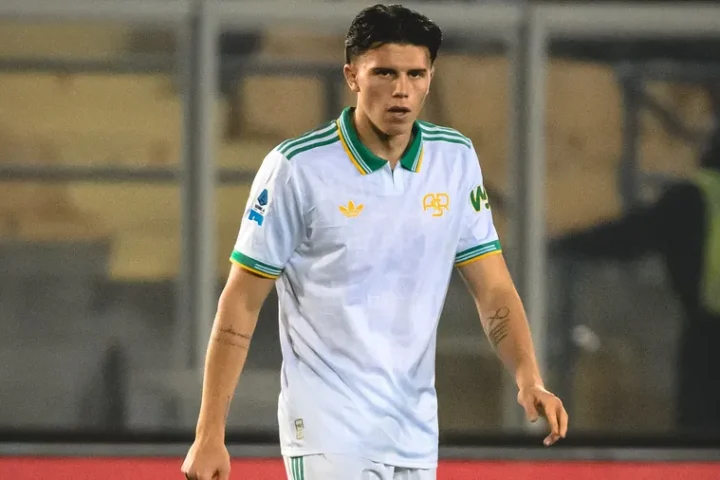

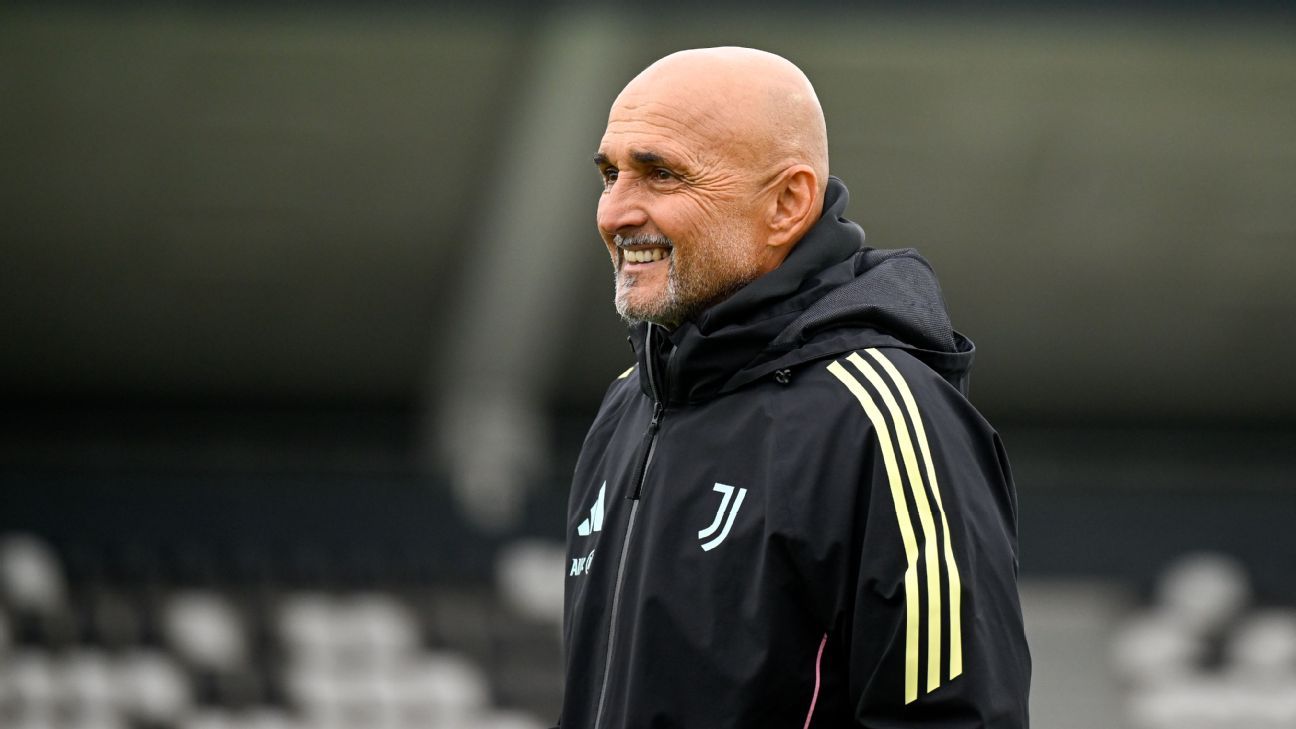
Like families performing their seasonal wardrobe change as autumn approaches, Luciano Spalletti has pulled a new-old garment from the shelves: the 3-4-2-1 last deployed in flashes last season, and now confirmed — following the 5-0 NEC victory — as the preferred structure heading into Sunday’s match against Atalanta. The results on Thursday were five goals, a balanced team, a convincing collective performance. The secret? The return of Weston McKennie.
Why the 4-2-3-1 Failed Without McKennie
The root of the problem that produced the Sassuolo collapse is now clearly identifiable. With McKennie unavailable for the opening weeks, Spalletti was forced to revert to his preferred 4-2-3-1 — but without the player who makes that system work, he had no option but to field four offensive players simultaneously: Conceição right, Nico González centre, Alajbegovic left, and Kolo Muani as the lone striker. The result was attractive but structurally fragile — a team that attacked with eight players and paid for it with the counterattacking goals that cost them three points at Reggio Emilia.
The 3-4-2-1 solves that problem by definition. It provides a structural back three — Bremer, Gatti, and Lucumí against NEC; Bremer, Lucumí, and Kelly or Gatti expected against Atalanta — and uses the wing-back positions to generate both defensive solidity and attacking width. Against NEC, Çelik operated on the right and McKennie on the left — giving Spalletti the full horizontal coverage his system demands.
McKennie: The Transformer, the Joker, the Key
The tactical explanation for McKennie’s centrality to this formation is contained in Spalletti’s own post-NEC words, which La Gazzetta quotes as the article’s defining passage: “He is everything in football because he knows how to do everything — and from the flank I just need to ask him to move into the trequartista position and we go back to the 4-2-3-1 as before.”
It is the sentence that makes the tactical picture complete. The 3-4-2-1 is the base structure — three defenders, McKennie and Çelik as wing-backs, Douglas Luiz and Sarr (or Koopmeiners) as the central midfield pair, Alajbegovic and either González or Conceição as the two trequartisti, Kolo Muani as the striker. But when the game demands a change — when Juventus need to open up and push forward — McKennie simply moves inward, from left wing-back to mezzala or trequartista, and the team shifts fluidly to a 4-2-3-1 without any additional substitution or explicit tactical instruction being required.
One player who thinks simultaneously in two different systems, capable of implementing a complete tactical transformation with a single change of position. In an era of football increasingly defined by in-game tactical flexibility rather than rigid pre-match structures, Spalletti has identified McKennie as one of the most valuable available tools in European football. The NEC match gave him a first proof of concept. Atalanta provides the real examination.