
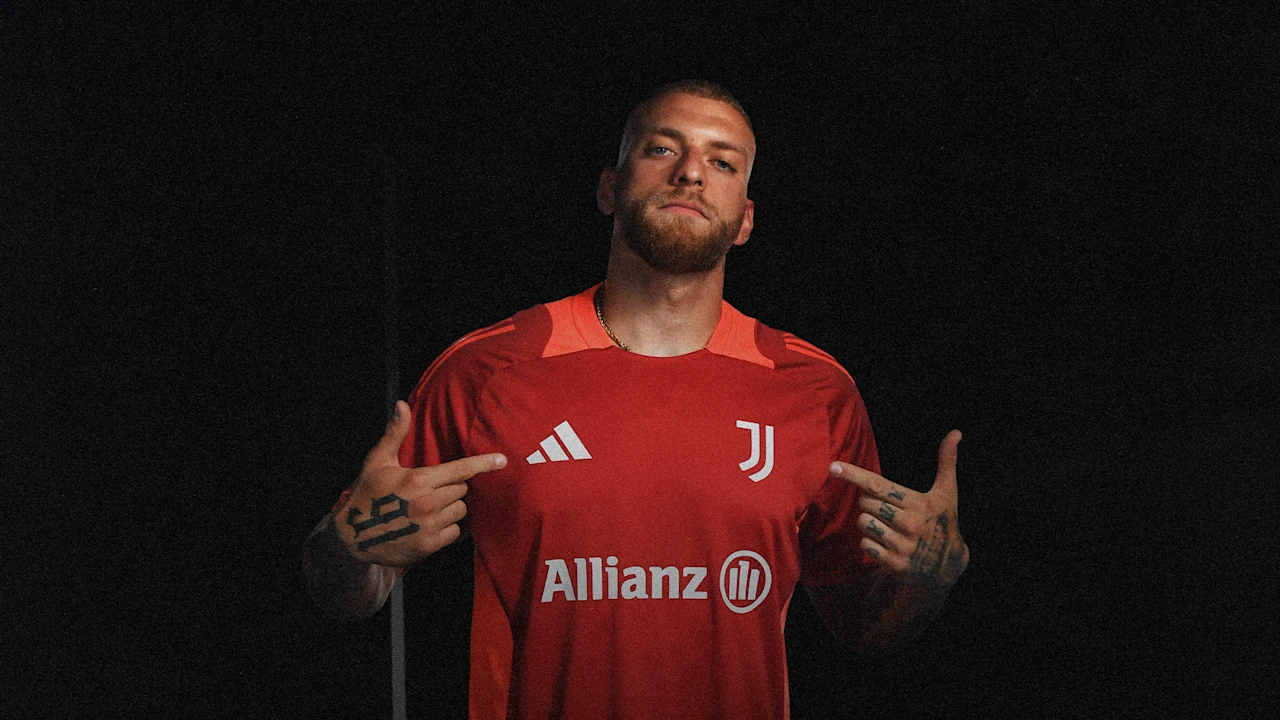
The “riscatto” — the word in Italian carries a double meaning that the Tuttosport headline exploits deliberately — is receding on two fronts simultaneously. Redemption, for Michele Di Gregorio, remains elusive at Bournemouth. And the financial riscatto — the €15m buyout clause the English club could trigger to make his transfer permanent — is increasingly unlikely to be exercised. The goalkeeper who left Juventus in the summer after a horror season, seeking distance from the criticism and a clean start in England, has found the Premier League neither redemptive nor particularly welcoming.
The Bournemouth Situation — One Carabao Cup Match, Zero Premier League Minutes
The mathematics of Di Gregorio’s season at the Vitality Stadium are stark: one appearance, in the Carabao Cup against Lincoln City on 8 September (a 4-0 win), and zero minutes in the Premier League. The explanation is not complicated and, as Tuttosport acknowledges, was not unpredictable even in the summer. Bournemouth under Marco Rose had already decided to continue with their established first-choice goalkeeper, the 1999-born Petrovic, who had produced an excellent previous season. Tiago Pinto’s signing of Di Gregorio was designed to elevate the overall goalkeeping department, not to overturn a hierarchy that was already firmly crystallised. Di Gregorio arrived as the competitive backup — and has remained there.
His social media presence is resolutely positive: posting in celebration of team victories, talking about collective goals and continued hard work. Behind that public serenity, the private reality of a 29-year-old Italian goalkeeper who played no Premier League or Europa League football in the first eight weeks of the season is a different story.
The Riscatto Is Utopia — What That Means for Juventus
The €15m buyout option — “poco meno di 13 milioni” in Tuttosport’s framing, suggesting the precise figure may be slightly below the €15m publicised — will not be exercised unless Di Gregorio establishes himself as Bournemouth’s starter. That is not happening. The option was always understood to be performance-dependent rather than automatic, and the hierarchy at the Vitality has not shifted to give him the opportunity. For Juventus, who are working within the capital gains targets set by the UEFA Settlement Agreement, this is a meaningful outcome: a €15m capital gain that they had factored into their financial planning for 2026-27 is now looking increasingly unlikely to materialise. The pressure to find alternative sources of capital gains — Bremer’s potential January sale being one, the renewal of focus on player sales more broadly being another — becomes correspondingly more acute.
“Palladino and Di Gregorio…” — the Third Chapter
The third chapter — the one that represents the genuinely positive scenario for both the player and the club — involves Palladino and Fiorentina. The details are behind the paywall, but the framing is clear: a Serie A return for Di Gregorio, under a manager who knows him and in a context where he could play regularly, represents both the career rehabilitation the goalkeeper needs and a potential source of transfer income for Juventus — either from a new loan fee or from a discounted permanent sale that still generates a useful capital gain compared to his book value. The “scenario perfetto per la Juve” of the headline is the one in which Di Gregorio finds regular football in Italy, rebuilds his form and reputation, and generates a clean transfer that closes the chapter begun when Juventus signed him from Monza in 2024.