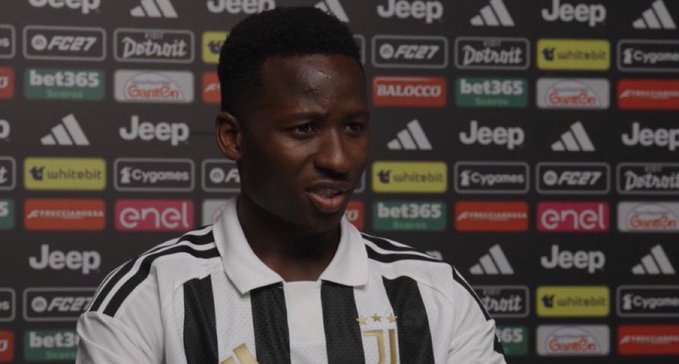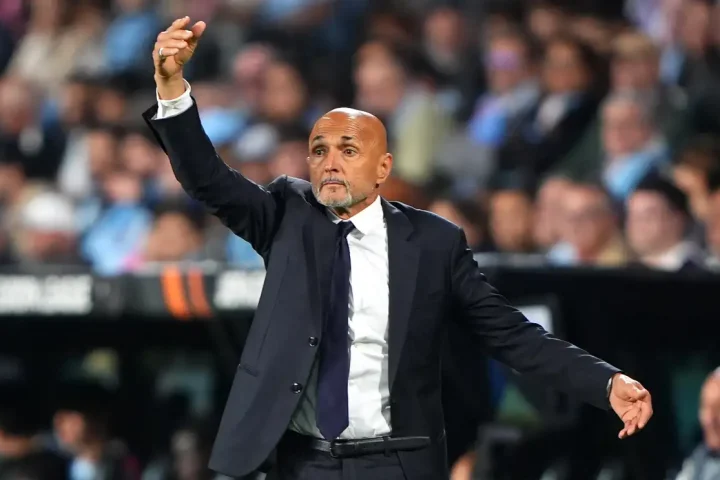

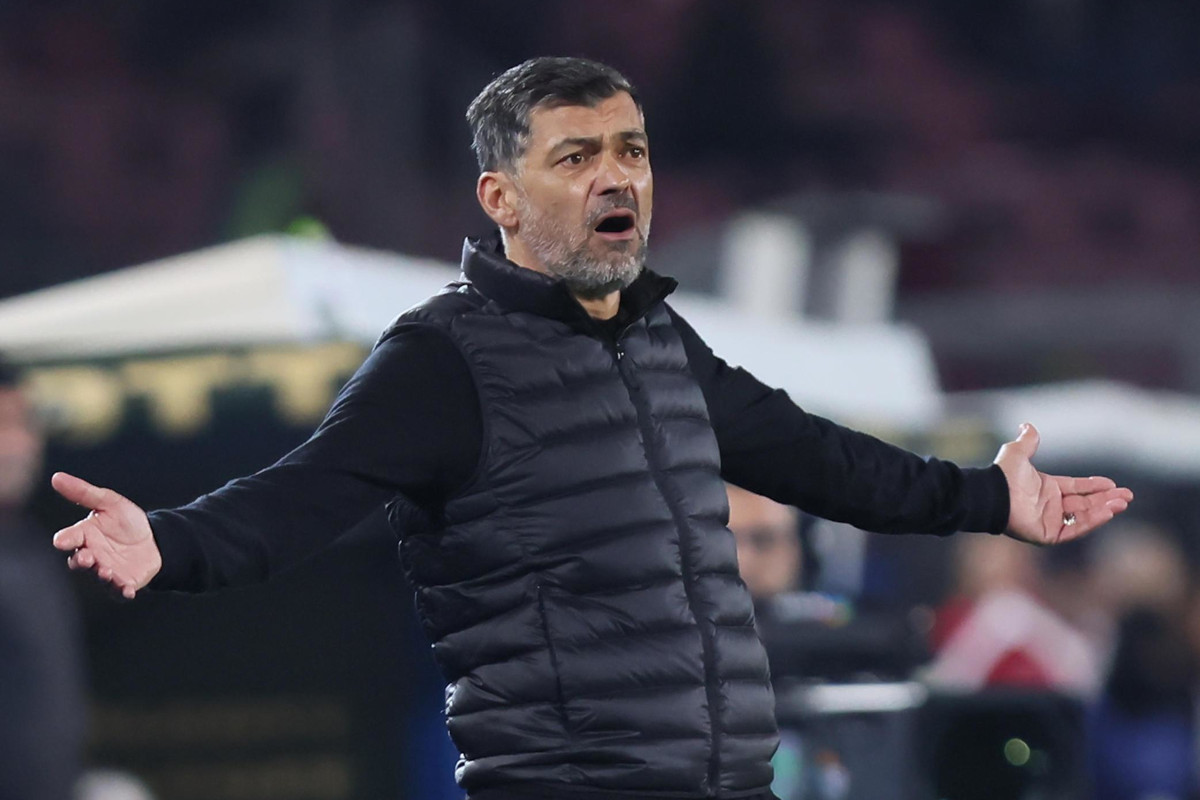
Sergio Conceição was a great Lazio player — and tomorrow he will be in the stands at the Allianz Stadium watching the current Lazio face his son Francisco’s Juventus. Gazzetta’s La Tripletta podcast secured a wide-ranging exclusive that moves between the personal and institutional with remarkable candour, and delivers — in its Milan passages — some of the most explosive revelations about that club’s management culture since the owner’s arrival.
On Francisco’s Vigo Bench-Punching — “The Manager Is Always Right. But the Frustration of a Player Who Wanted to Give More Must Also Be Understood”
Sergio Conceição’s verdict on the incident that generated so much commentary this week: “Let us start from a clear principle: the manager is always right. If Spalletti thought it was better to make that substitution, he will have had his reasons. But the frustration of a player who wanted to give more must also be understood. This is my view as a manager — in my own squad I always want a player who has personality and gets angry at a substitution rather than one who doesn’t care.”
On the goal drought and the criticism it generates: “So far this season he has scored only one goal with one assist. All the work he does both in attack and in defence for his teammates goes unvalued — he creates superiority, he runs, he dribbles, he opens space. When he plays well or scores a goal they always say he can give more, while if he doesn’t score the criticism is immediate. The stick is fine, but every now and then a bit of carrot wouldn’t hurt either. I’m not speaking as a father — this is my judgment as a coach, and I have actually coached him. Because as a father, I get angry with him every time he shoots and doesn’t score.”
On Milan — “There Were No Ideal Conditions. Cardinale Never Came to Milanello Once”
The most explosive passages of the interview concern the six months at Milan. Sergio Conceição won the Supercoppa Italiana, reached the Coppa Italia final — only to lose it to Bologna — and was then dismissed. His account of the institutional environment:
“Unfortunately every manager needs a certain type of club structure behind him, otherwise it becomes difficult to have credibility in front of the players. Conditions at Milan at that time were not ideal.” On the ownership: “When I was there, Cardinale never came to Milanello once. Think about it — he sent me a message to congratulate me after the Supercoppa, but I didn’t reply because I didn’t even have his number, and I only read it much later.” And on the management question: “The club’s sporting direction did not support me. Here is an example: after winning the Supercoppa we played Cagliari. During that period there were already rumours circulating that the club was following other managers. I was focused on working and winning, carrying the weight of the results. I had no time to work at every level.”
“Cardinale Is the Real Difference for Amorim — When I Was There, I Didn’t Have His Number”
On the contrast with the current situation under Ruben Amorim, where Cardinale’s visibility at Milanello has been notably more consistent: “Today the real difference is the presence of Cardinale.” He said he would have remained at Milan — but only with certain changes. The changes, his account implies, were about institutional commitment and support rather than anything tactical or playing-staff related.
“The Players Never Betrayed Me”
On his relationship with the dressing room: “Never — they were with me. Many wrote to me when I left. I demand rigour and dedication, and then relaxation when it’s time to relax. If someone arrives with a kilo too much, turns up late, or things like that — I cannot tolerate it. For me, in the end, all players are equal.”