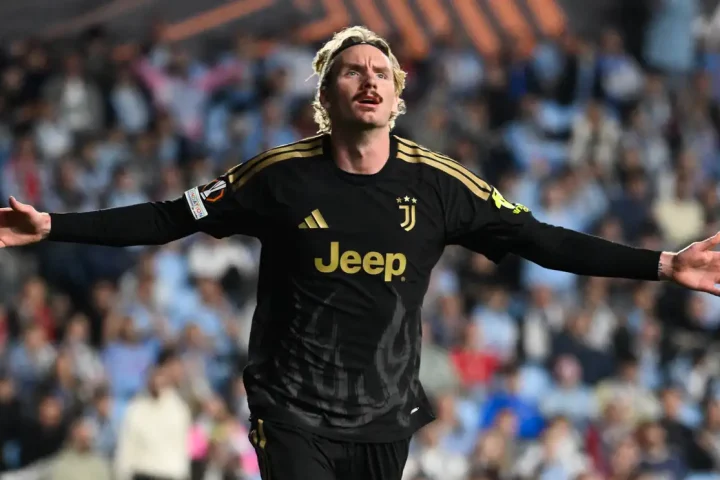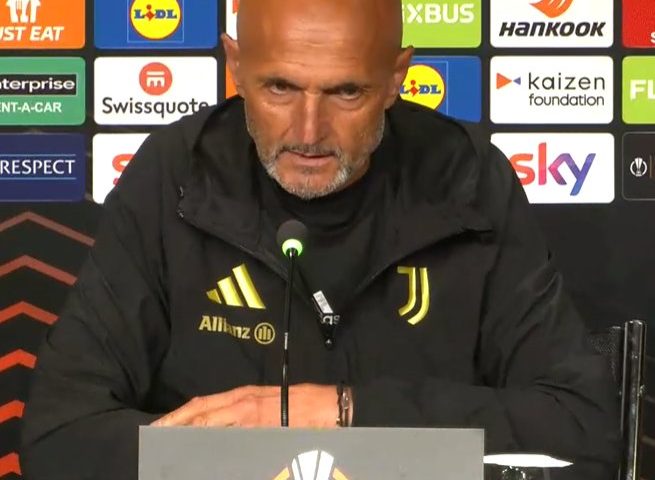

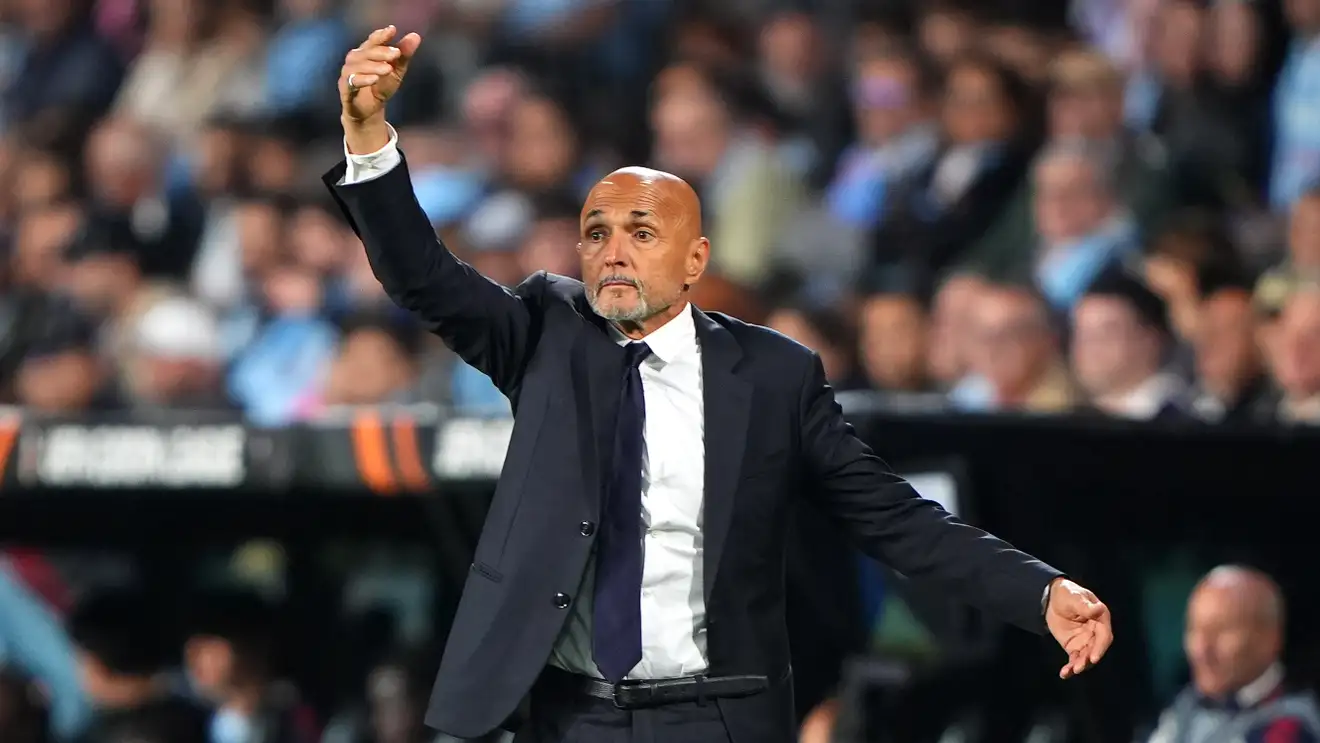
Two wins from two in the Europa League. And yet Spalletti, speaking at the Estadio Balaídos with the result already confirmed, is clearly less interested in the victory than in the problems it revealed. The post-match interview on Sky is dense with specific tactical observations, a carefully worded comment on Conceição’s furious exit, and what is — in context — the most human and complicated thing he has said about Koopmeiners all season.
The Kolo Muani Tactical Instruction — Replayed in Full
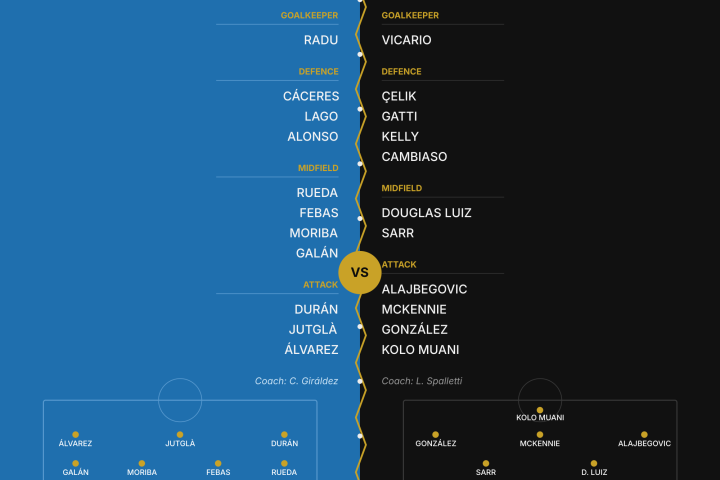
The specific positioning error that produced Spalletti’s live television “Kolo, you must stay there!” is explained in full: “Kolo Muani opened up like this and interpreted it too much as a wide player — he had to stay in that half-space because the channel was free for Cambiaso. But then we also didn’t manage the ball with security in the moments of play — there were these continuous turnovers, we always arrived late to press, they always found the free man in the middle, they forced us into long reconstitutions and we spent a lot of running. Towards the end Woltemade was a little tired, while Kolo Muani from that position in a one-on-one could be decisive — he is a strong player, so I decided to change those positions. But then it is always the players who make the difference with their choices.”
“We Were Slow at Everything in the First Half”
The broader diagnosis of the first 45 minutes is direct and unsparing: “Yes, we were a little slow at everything in the first half — we always gave the opponents time to re-establish their order. They are good at being an organised team. When we won it back, we weren’t good at turning over the play quickly. And when we lost the ball our pressing was slow — very different from Cagliari. Cagliari, for example, is a different match: even if you don’t win it, in terms of dynamism, quality of play, attention, and continuity, we did better than tonight. Tonight we were slow at connecting to the phases of play — in every phase we were slow.”
On Conceição — “It’s Better for Him if He’s Angry With Himself. If It’s Something Else, We’ll Talk”
The most diplomatically precise passage of the entire interview. On Conceição’s bench-punching exit: “It is better for him to be angry with himself — because if it’s something else, we can discuss it together. I think he did well to react like this, and if he has something to say, I think it is with himself for what his performance was. Beyond the question of the performance itself, he also slipped three times at the start — we’re going to check the pitch, it needs to be checked seriously. Then he came off at the 70th minute — there is another match in two days. These attitudes, if he did something [the staff tell me he didn’t] — if he did do something, he can explain to us what we owe him and we’ll see about settling it.” The thinly veiled warning embedded in the final line — “we’ll see about settling what we owe him” — is Spalletti at his most precise: a manager making clear that if the behaviour was directed at the substitution decision rather than at the player’s own performance, there will be a consequence.
On Koopmeiners — “He Must Still Improve”
The most genuinely humane of all the night’s assessments. Presented with the observation that Koopmeiners appeared to try to play nine out of ten balls directly to feet rather than verticalising: “It’s true that the failure to play vertically wasn’t only his fault. He doesn’t have the tranquillity because he plays little and because he also feels constantly under observation. He must still improve.” It is not a condemnation. It is a diagnosis — and one that contains an acknowledgement of the specific conditions that make improvement harder: a player who knows he is being watched, who knows the three-month clock is running, who cannot find the relaxed confidence from which his best football flows. The path forward is in the final three words. Deve ancora migliorare. He must still improve.