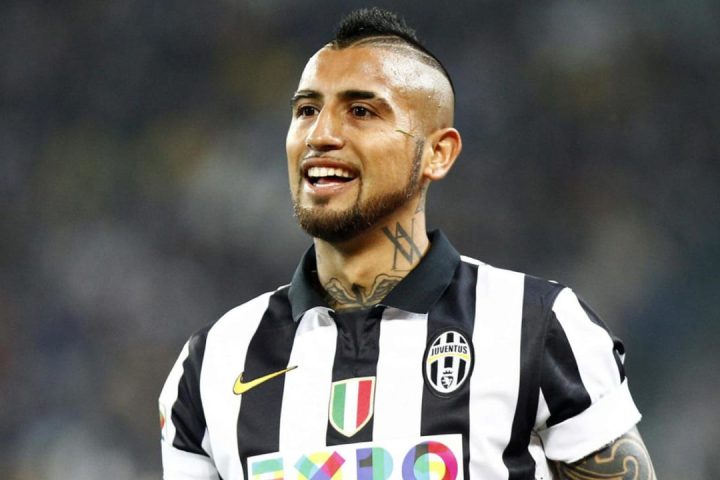

Juventus did not need this. After the surgical absences of Yıldız and Thuram, Luciano Spalletti now loses his captain Manuel Locatelli to a knee operation for approximately five months — and the void it creates in a midfield already reduced to bare bones has made a January reinforcement not merely desirable but necessary. The problem is that the regulatory architecture governing Serie A and UEFA squad lists makes any such signing significantly more complex than simply identifying a free agent and registering him.
The Names on the Table
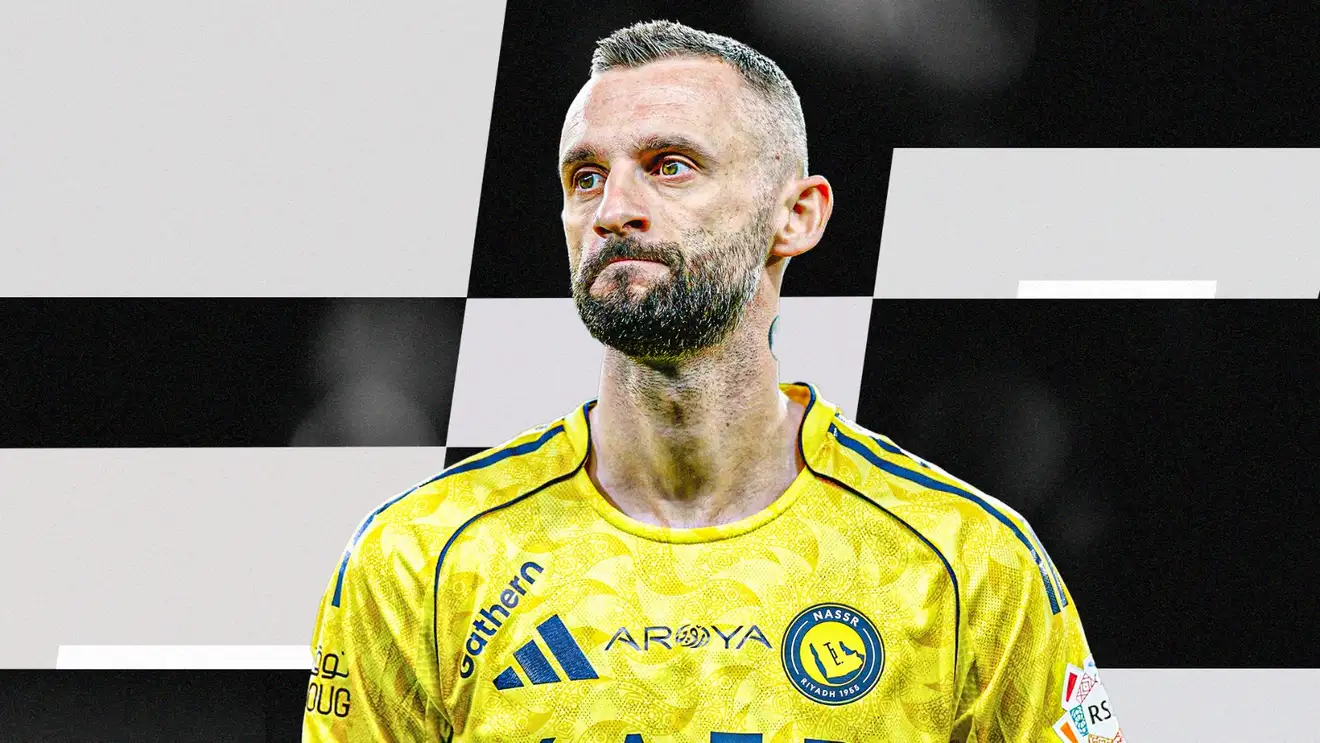
The warmest name — discussed at length during the summer and never entirely abandoned — is Marcelo Brozović. The former Inter captain became a free agent when his Al-Nassr contract expired, and his desire to return to Italian football is genuine and well documented. Lazio are also interested, adding competitive pressure to any Juventus pursuit. He is, in the context of the specific qualities required to replace Locatelli’s orchestrating function, arguably the most natural fit available on the free agent market.
Three further names have been proposed to the club, as Tuttosport confirms. Yves Bissouma is without a club following his departure from Tottenham — a physically powerful, energetic midfielder whose Premier League pedigree is known well from two years of observation during Vicario and Sarr’s time at Spurs. Ismaël Bennacer has been without a club since leaving AC Milan but is understood to be on the verge of an agreement with a Qatari club, making his availability uncertain. Tanguy Ndombele — who spent time at Napoli and most recently Nizza before being released — rounds out a list of players whose quality is uneven but whose cost, in transfer fee terms, is zero.
The Regulatory Problem — the One That Changes Everything
The complication that Calciomercato’s Emanuele Tramacere identifies is not financial but structural — and it is one that the club’s lawyers and administrators must navigate with considerable care.
Locatelli occupies a specific and valuable category within Italy’s squad registration framework: he is a “FIGC trained” player — one who developed in the youth academies of Italian clubs — and fills one of the four slots reserved for this category in the Serie A registration list. That list can be modified during the season. But here is the constraint: to replace him with a player who is not FIGC trained — which includes Brozović, Bissouma, Bennacer, and Ndombele — Juventus would need to make an additional cut elsewhere in the squad, removing another non-Italian-trained player to create the space. This is on top of the further complication that Thuram, who is also excluded from the current list, will need to be reintegrated after January — adding yet another moving part to the administrative equation.
The Practical Consequence — Every Option Has a Cost
In straightforward terms: bringing in any of the free agents currently being discussed requires Juventus to sacrifice another registered player. With a squad already stretched thin by injuries and with Zhegrova the only obvious candidate for removal — his Saudi Arabian window having closed in October — finding the right player to exclude without weakening the available resources further is the specific puzzle Carnevali and Massara must solve before January’s market opens. It is, as the article makes clear, a problem that goes well beyond the question of which midfielder they prefer. The answer to that question is irrelevant until the regulatory path is clear.